Pop Art: How America's Artisan Lollipop Makers Turned a Kid's Treat Into a Serious Craft
Pop Art: How America's Artisan Lollipop Makers Turned a Kid's Treat Into a Serious Craft
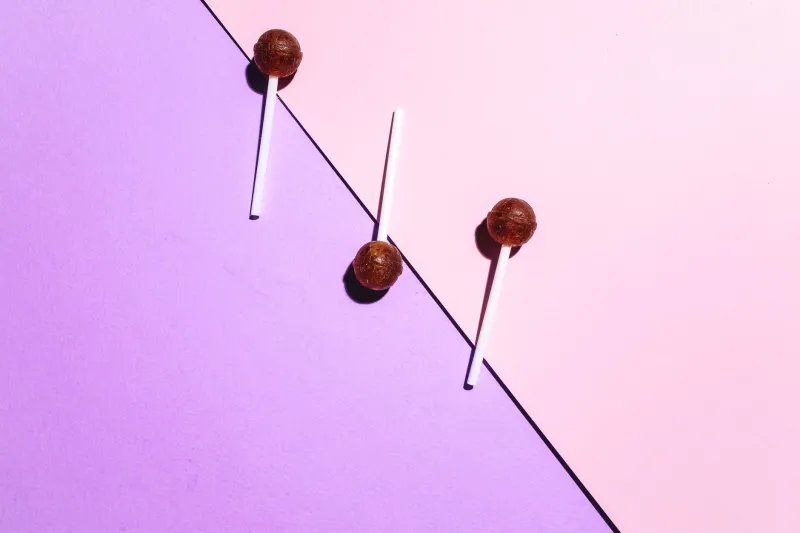
For most of us, lollipops carry a very specific memory: a root beer pop from the doctor's office, a Dum-Dum at the bank counter, maybe a Tootsie Pop you bit into way too early. Sweet, sure. But serious? Not exactly.
That reputation is changing fast. All over the US, a growing community of artisan confectioners is reclaiming the lollipop as a legitimate craft medium — one that demands technical skill, creative vision, and a whole lot of patience. These aren't the plastic-wrapped pops of your pediatrician's waiting room. We're talking hand-pulled ribbon candy pressed into crystal-clear discs, botanically infused pops embedded with edible flowers, and layered pours that look more like stained glass than sugar. The artisan lollipop has officially arrived, and it is not messing around.
Why the Lollipop, and Why Now?
It's a fair question. Of all the confectionery formats to have a renaissance moment, the lollipop seems like an unlikely candidate. But that simplicity is actually the point.
At its core, a lollipop is just cooked sugar on a stick. There's nowhere to hide. No ganache filling to cover up a mistake, no thick chocolate shell to compensate for off flavors. The format is ruthlessly honest, which is exactly what draws serious candy makers to it. Every decision — the cook temperature, the pull technique, the flavor balance, the pour speed — shows up in the final product. That level of transparency is a challenge that skilled confectioners find genuinely exciting.
There's also a cultural moment happening here. The same wave that pushed consumers toward small-batch chocolate, craft caramels, and artisan marshmallows is now washing over hard candy. People want to know who made their sweets, where the ingredients came from, and what the story is behind the thing they're eating. A hand-poured lollipop from a woman-owned studio in Asheville hits differently than a bag of mass-produced pops from a big-box store — and consumers are starting to understand that.
The Techniques That Make It Magic
Ask any artisan lollipop maker what separates their work from the commercial stuff and they'll probably start talking about process before they ever mention flavor. The craft really is in the making.
Ribbon pulling is one of the most visually stunning techniques in the lollipop world. Cooked sugar is stretched and folded repeatedly over a hook or between the maker's hands, incorporating tiny air pockets that give the candy an almost silky, opaque sheen. Strands of different colors can be twisted together before being cut and pressed into molds, creating pops with intricate spiral patterns that are nearly impossible to replicate at scale.
Layered pouring is exactly what it sounds like — different-colored or differently-flavored sugar syrups poured into molds in stages, each layer allowed to set just enough before the next goes in. The result can look like a cross-section of a gemstone, or a sunset, or a tide pool. Some makers use this technique to build flavor complexity too, layering complementary tastes so that the pop shifts as it dissolves.
Botanical embedding has become one of the most talked-about techniques in the artisan space. Edible flowers, herb sprigs, citrus zest, even tiny dried fruit pieces are suspended inside clear sugar pops, creating something that genuinely belongs in a shadow box as much as a candy jar. Lavender buds, rose petals, chamomile flowers, and hibiscus are popular choices — and they often do double duty, contributing both visual drama and subtle flavor.
The Makers Doing It Best
The artisan lollipop scene is spread across the country, with standout makers popping up in some unexpected places.
In Portland, Oregon, Quin Candy has been quietly building a cult following for years with their fruit-forward pops made from real juice and whole ingredients. Their seasonal releases — think Rainier cherry in summer, spiced pear in fall — sell out almost immediately and have a devoted mailing list that treats new drops like sneaker releases.
Down in New Orleans, Sucré brings a Southern Louisiana sensibility to their hard candy lineup, incorporating flavors like praline, café au lait, and Creole spice into lollipop form. The city's love of bold, layered flavor profiles translates beautifully into the format.
In Brooklyn, a newer studio called Lumi Confections has been making waves with their clear botanical pops — each one embedded with hand-placed edible flowers and flavored with ingredients like elderflower, yuzu, and cardamom. They're as popular at high-end bridal showers as they are on Instagram, which tells you everything about where the market is right now.
Out in Scottsdale, Stick With Me Sweets (originally a New York operation) has expanded their reach with lollipops that blur the line between candy and pastry, incorporating flavors like salted honey, black sesame, and pistachio rosewater. These are pops for adults who take their sweet tooth seriously.
Flavor as Philosophy
One of the most interesting things about the artisan lollipop movement is how intentional makers are about flavor. This isn't a world of artificial watermelon and blue raspberry. The flavor philosophies driving this scene feel more like what you'd hear from a chef than a candy company.
Many makers are sourcing botanicals and extracts from small farms and specialty importers. Some are working directly with local beekeepers, fruit growers, and herb producers to build a candy that's connected to a specific place and season. The idea of terroir — that sense of somewhere-ness that wine lovers talk about — is creeping into confectionery, and the lollipop turns out to be a surprisingly perfect vehicle for it.
There's also a wellness-adjacent thread running through some of the more innovative offerings. Adaptogen-infused pops with ashwagandha or reishi, CBD lollipops, pops made with honey instead of refined sugar — the format is flexible enough to absorb all of these experiments without losing what makes it fundamentally satisfying.
More Than a Candy, Less Than It Seems
Here's the thing about a really good artisan lollipop: it slows you down. You can't rush it. You have to let it dissolve at its own pace, which means you're actually tasting it — really tasting it — in a way that's rare with most sweets. There's something almost meditative about it, which might explain why so many adults who discover this world find themselves genuinely hooked.
The lollipop was always a little magical. Even in its most basic form, there was something special about a piece of candy on a stick that made it feel like a small celebration. What the artisan movement has done is take that original magic and layer in everything that makes food meaningful — skill, intention, story, beauty.
So yes, it's still a lollipop. But it's also kind of a work of art. And honestly? We are completely here for it.