Sweet and Scarce: Inside the Wild World of Collectible Candy Drops

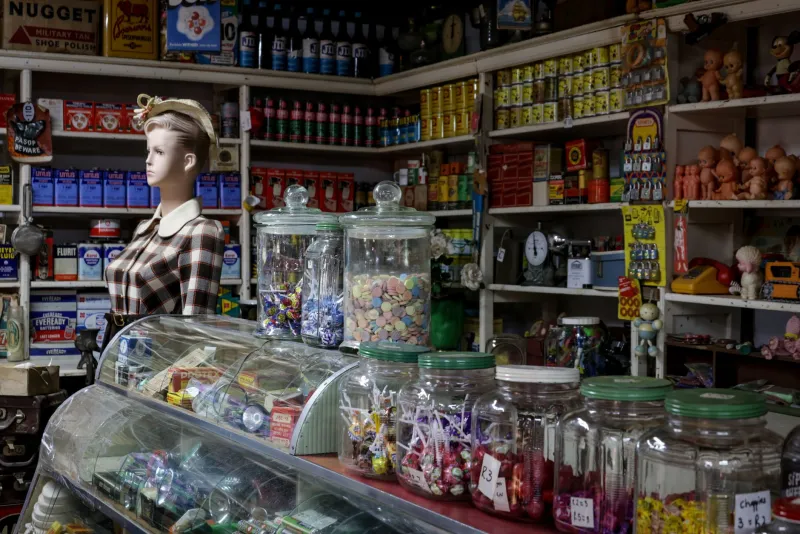
Photo by Photo by Jan Antonin Kolar on Unsplash on Unsplash
On a Tuesday morning last spring, a small-batch chocolate maker in Brooklyn dropped 200 bars of a single-origin cacao collaboration online. They were gone in eleven minutes. Within the hour, three of those same bars had appeared on eBay — listed at four times the original price. By the end of the week, one had sold.
If that sounds like sneaker culture, you're not wrong. The same mechanics that turned limited Air Jordans into investment-grade footwear have quietly taken root in the candy world. Scarcity, hype, community, and a surprisingly deep collector psychology are turning certain confections into genuine commodities — and building a resale ecosystem that nobody really saw coming.
How Candy Became a Collectible
The idea of rare candy isn't entirely new. Vintage Halloween candy, discontinued bars, and foreign import sweets have traded hands on collector forums for decades. But something shifted meaningfully in the last few years. The rise of "drop culture" — the limited, time-sensitive product release model pioneered by streetwear brands and later adopted by everything from sneakers to Stanley cups — found a natural home in the artisan food world.
Small-batch candy makers, particularly in the craft chocolate and premium confectionery space, started releasing seasonal or collaboration items in genuinely tiny quantities. At first it was a practical constraint: single-origin cacao from a specific micro-farm in Ecuador might yield only enough for 300 bars. But makers quickly noticed that scarcity created desire in ways that unlimited availability simply couldn't replicate.
"When people know there are only 150 of something in the world, they pay attention differently," says one craft chocolate maker in Austin who regularly sells out drops within minutes. "It changes how they taste it, how they talk about it, how they share it."
The Resale Reality
The secondary market for limited candy is real, active, and sometimes genuinely surprising in scale. Platforms like eBay, Mercari, and Facebook Marketplace host steady listings for sold-out confectionery drops. Dedicated Discord servers and Reddit communities function as informal trading floors where collectors buy, sell, and swap rare finds.
Some of the numbers are eye-opening. Collaboration bars between well-known craft chocolate makers and celebrity chefs have resold for $40 to $80 — on a bar that originally retailed for $12. Vintage or discontinued candy in sealed, original packaging regularly commands $50 to $200 depending on rarity and condition. Certain Japanese Kit Kat flavors, available only in specific regions of Japan and never officially imported to the US, have sold for $15 to $30 per bar on American resale platforms. And at the extreme end, sealed boxes of discontinued candy from the 1970s and '80s — think Marathon bars or Reggie! bars in pristine wrappers — have cleared $500 at online auction.
The market even has its own terminology. "Grails" are the most-sought-after items a collector is still hunting. "Deadstock" refers to unopened candy from discontinued runs. "Flippers" are resellers who buy drops purely for profit, a group that generates the same mixed feelings in candy communities as they do in sneaker circles.
The Psychology of Sweet Scarcity
Why does limited availability make something feel more valuable? Psychologists have a name for it: scarcity heuristic. When our brains perceive something as rare or hard to obtain, we automatically assign it higher worth — regardless of whether the underlying product has changed at all. It's the same cognitive bias that makes a "last one in stock" button feel urgent even when you weren't sure you wanted the thing five minutes ago.
For candy collectors, scarcity intersects with a few other powerful forces. Nostalgia is a big one — discontinued candies carry emotional weight that no currently available product can replicate. Community is another. Being part of a group that hunts, trades, and appreciates rare sweets creates a sense of belonging and identity that goes well beyond the candy itself.
"It's not really about the chocolate," admits one collector in Chicago who estimates he's spent over $3,000 on rare confections in the past two years. "I mean, the chocolate is great. But it's also about the hunt, the community, the story of how you got it. You're collecting experiences as much as objects."
The Brands That Built the Hype
A handful of makers have become particularly central to the collector market. Raaka Chocolate in Brooklyn has a devoted following for its "First Nibs" subscription, which gives members early access to experimental batches before they're released publicly — creating a tiered scarcity that rewards community insiders. Dandelion Chocolate in San Francisco routinely sells out single-origin releases tied to specific harvests. And collaboration drops — two well-known makers combining their signatures into a limited joint bar — tend to generate the most intense demand.
On the mainstream side, major candy brands have caught on too. Seasonal Oreo flavors, limited regional M&M's varieties, and specialty Reese's releases have all spawned active resale ecosystems. When Trader Joe's releases a seasonal item that doesn't come back the following year, the internet mourns loudly — and the secondary market spikes.
Is It Worth It?
That depends entirely on what you're buying for. As a pure financial investment, rare candy is a shaky bet. It's perishable, fragile, and subject to storage conditions that most people can't guarantee. A bar stored improperly will bloom, absorb odors, or simply expire — and a $200 collectible that's turned chalky white is worth considerably less than it was.
But for collectors who genuinely love the culture, the community, and the experience of tracking down something genuinely rare? The value is real, even if it's not always measurable in dollars.
What's clear is that the candy world has developed a collector ecosystem with its own rules, rituals, and passionate participants — and it's only getting more sophisticated. Makers are thinking intentionally about drops and scarcity. Platforms are emerging specifically for food collectibles. And a growing community of sweet-obsessed Americans is proving, convincingly, that candy can be so much more than something you grab by the register on your way out.
Sometimes the sweetest things in life are the hardest to find.