More Than a Sweet Stop: How the Corner Candy Shop Became America's New Community Living Room
Photo: cozy independent candy shop interior community gathering customers browsing, via hollitrue.com
Walk into Sugarplum & Co. on a Saturday morning in Asheville, North Carolina, and you'll find something you might not expect: a table of regulars nursing coffees, a grandmother showing her granddaughter how to pick out penny candy, and two neighbors catching up over a shared bag of sour gummies like they've got nowhere better to be. Which, honestly, they don't. This is the place.
Sociologists have a term for spaces like this — "third places." Not home (first place), not work (second place), but somewhere else entirely. Somewhere you go just to be among people, with no agenda and no transaction required beyond maybe spending a few bucks on something delicious. For decades, coffee shops and barbershops held that title. But quietly, joyfully, the independent candy shop is stepping into the role — and it might just be the sweetest community development story in America right now.
What Makes a Third Place, Anyway
The concept was coined by sociologist Ray Oldenburg back in the late '80s, and his criteria for a true third place read like a description of the best candy shop you've ever been in: it's accessible and welcoming, the regulars set the tone, conversation is the main activity, and the atmosphere is playful. It's a leveler — everyone who walks through the door is equal, whether they're six or sixty.
Candy shops, it turns out, hit almost every point on that list naturally. There's an inherent democracy to a candy counter. Nobody's showing off their status or networking aggressively. You're just a person who wants something sweet, standing next to another person who wants something sweet, and that shared desire has a remarkable way of dissolving social barriers.
"I've watched people have genuine conversations in here that I don't think they'd have anywhere else," says Dani Flores, who owns The Sweet Spot in Portland, Oregon. "There's something about candy that makes people drop their guard. They're transported back to being a kid, and kids just talk to each other."
The Isolation Problem That Candy Shops Are Quietly Solving
This isn't just a feel-good story — it's also a response to something real and troubling. Loneliness and social isolation have reached what the U.S. Surgeon General called an epidemic level in America. Fewer people have close friends than at any point in recent history. Public spaces where strangers become acquaintances and acquaintances become regulars are increasingly rare, and their absence is measurable in public health outcomes.
The independent candy shop doesn't claim to solve all of that. But it does something important: it gives people a reason to show up somewhere that isn't a screen.
In Chicago, owner Marcus Tillman turned his shop, Bonbon Boulevard, into an informal community hub almost by accident. He started hosting free Saturday afternoon "candy history" talks — just ten minutes about the origins of a classic sweet — and suddenly he had a standing crowd of thirty people every week. "Half of them come for the candy," he laughs. "The other half come because they want to see the people who come for the candy."
That's the third place at work.
Where Generations Actually Meet
One of the most striking things happening inside these shops is something you almost never see in modern American life: genuine intergenerational mixing. Not a structured program, not a school project — just older people and younger people occupying the same space because they both want gummy bears.
In an era of algorithmically curated social bubbles, that kind of accidental community is genuinely rare. And candy shops are uniquely positioned to create it because the product itself spans generations. The eighty-year-old who remembers Bit-O-Honey from the five-and-dime and the ten-year-old discovering it for the first time are having completely different experiences of the same object — and that difference is a conversation starter.
"My shop is one of the only places in this neighborhood where a teenager and a retiree will just naturally start chatting," says Renee Kim, who runs a candy and nostalgia shop in a small Ohio town. "They're both pointing at something in the case and going, 'Oh, I remember that.' It happens constantly. It's kind of beautiful."
The Experience Economy Meets the Candy Counter
It's worth noting that the rise of independent candy shops as community anchors isn't happening in a vacuum. It's part of a broader cultural shift toward valuing experience over transaction. Consumers — especially younger ones — are choosing to spend money in places that give them something beyond the product: a story, a feeling, a memory, a connection.
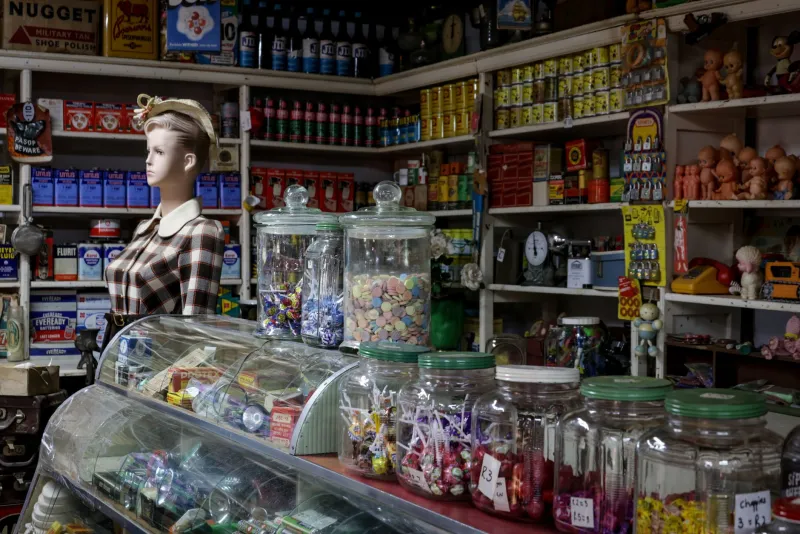
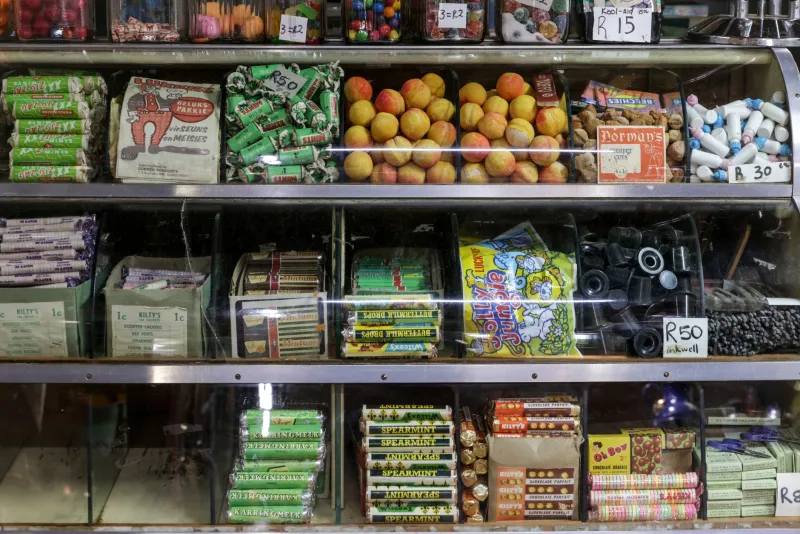
Independent candy shops, almost by their nature, deliver on that front. The handwritten signs, the glass jars, the owner who remembers your name and knows you always go for the dark chocolate sea salt caramels — these aren't just charming aesthetics. They're the building blocks of the kind of place people return to not because they need something, but because they want to be there.
Shops that are leaning into this deliberately — hosting events like candy-making workshops, trivia nights with sweet prizes, local art shows, or charity drives for neighborhood causes — are finding that community investment pays back in loyalty that no advertising budget can buy.
"My regulars are my marketing department," says Flores. "They bring their friends. They bring their kids. They post about us because they genuinely love this place, not because I asked them to. That's what happens when a shop stops being just a store."
Sugar, Serendipity, and Showing Up
Maybe what the candy shop offers, more than anything, is permission. Permission to slow down, to be a little childlike, to linger without purpose. In a culture that optimizes everything, a place that exists purely for sweetness and connection is almost radical.
The best independent candy shops in America right now aren't just selling bonbons and gummies and caramels. They're selling the experience of being somewhere that's genuinely glad you walked in — and in a country that's hungrier for connection than it's been in a long time, that might be the sweetest thing on the menu.