Throwback in a Wrapper: Why Candy Brands Are Betting Big on the Power of Remember When
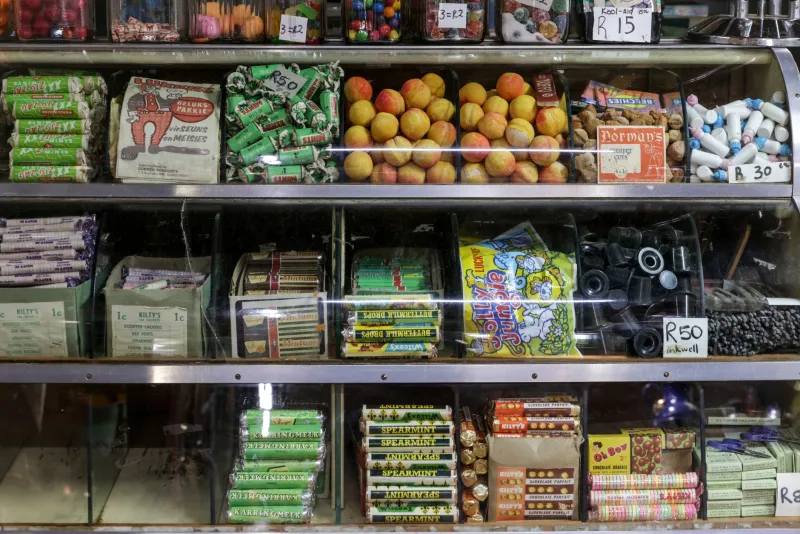
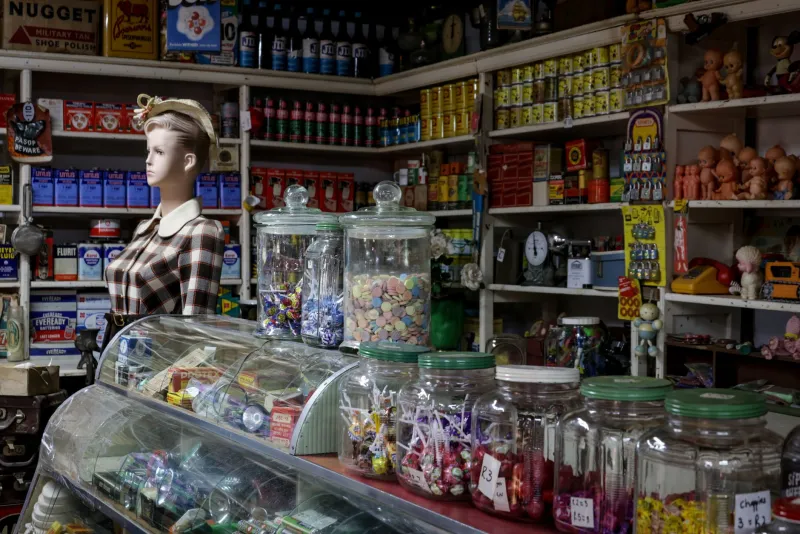
There's a particular kind of joy that hits when you spot a candy you haven't seen since elementary school. It's not quite surprise, not quite hunger — it's something warmer and more complicated than either. It's the feeling that a small, sweet piece of your past has somehow survived and found its way back to you.
Candy brands have figured this out, and they are absolutely using it.
Nostalgia marketing has been a reliable tool across consumer categories for decades, but in the candy industry, it carries a specific kind of weight. Food memories are among the most emotionally vivid we have — tied to holidays, grandparents, school lunch tables, Halloween hauls spread across living room floors. When a brand taps into those memories successfully, it's not just selling candy. It's selling a feeling that money can technically buy.
The Psychology of the Sweet Flashback
Food nostalgia operates differently from other kinds. Unlike nostalgic music or movies, food is multisensory — the taste, the smell, the texture of a particular candy can trigger memories with a directness and immediacy that's almost physiological.
Research consistently shows that nostalgic experiences increase feelings of social connectedness, reduce feelings of loneliness, and elevate mood. For candy specifically — already associated with celebration, reward, and childhood pleasure — the nostalgia multiplier is enormous.
"When someone bites into something they haven't had since they were eight years old, they're not just eating candy," says Dr. Linda Cho, a consumer behavior researcher who has studied food nostalgia extensively. "They're briefly inhabiting a past version of themselves. That's an incredibly powerful emotional experience to be associated with as a brand."
For candy companies, the challenge is figuring out how to manufacture that experience reliably — and at scale.
The Retro Relaunch Playbook
The most straightforward nostalgia play is the discontinued candy revival. Bring back something people loved and lost, generate a wave of social media excitement, sell out immediately, and let the press coverage do the rest.
In recent years, this playbook has been executed with impressive regularity. Surge, the 90s energy drink-adjacent soda, became a template for the food nostalgia comeback when it returned via Amazon in 2014 and sold out in hours. The candy world took notes.
Several beloved discontinued candies have staged returns in recent years — some as permanent revivals, some as limited-edition runs designed specifically to capitalize on pent-up demand. The limited-edition approach, in particular, has proven savvy: scarcity amplifies the emotional stakes, turns a candy purchase into an event, and generates the kind of urgency that drives people to clear out a Target shelf at 9 AM on a Tuesday.
But the relaunch isn't without risk. Taste memories are idealized. The candy you remember as transcendent was eaten by a child who had fewer reference points and a lower threshold for sensory delight. When the adult version of that child finally tastes the revived product, reality sometimes falls short of memory.
"We've heard from customers who were so excited when we brought back a classic formulation," one candy brand marketing director told us, speaking on background. "And then a small percentage of them were almost disappointed. Not because the candy was bad — it wasn't — but because the memory was better than the thing. You can't really compete with someone's imagination."
Heritage Storytelling as a Slower Play
For brands that don't have a discontinued product to revive, heritage storytelling offers another path into nostalgia territory. This approach leans into a brand's history — founding stories, original recipes, vintage packaging imagery, factory heritage — to create an emotional connection that doesn't require anyone to actually remember the product.
It's nostalgia by association, and it works especially well with younger consumers who may not have personal memories of a brand but respond to the aesthetic and emotional texture of "classic Americana."
See-candy brands leaning into original recipe messaging, sepia-toned packaging redesigns, and anniversary campaigns celebrating decades of operation. The message is consistent: we've been here a long time, which means we must be doing something right, which means this candy carries something real.
Smaller indie brands have been particularly clever here. A handful of artisan candy makers have built their entire identity around reviving regional confectionery traditions — old-fashioned pulled taffy, Depression-era hard candy recipes, regional fudge styles — without any corporate heritage at all. They've borrowed the aesthetic of nostalgia and applied it to something entirely new.
The Generational Handoff Problem
Here's the tension at the center of nostalgia marketing: it has a built-in expiration date.
The candies that Gen X remembers from the 70s and 80s are different from the ones millennials remember from the 90s, which are different again from what Gen Z grew up with. Each generation's candy nostalgia is specific, personal, and time-stamped. A brand betting heavily on one generation's sweet memories risks leaving the next generation cold.
The most successful candy companies are trying to thread this needle by running nostalgia plays for older consumers while simultaneously building the kind of fresh, interesting product lines that will become tomorrow's nostalgia. The goal is to be in both lanes at once — honoring the past while earning a place in the future.
"You don't want to be a museum," says Priya M., who runs a small-batch candy studio in Chicago and has watched larger brands navigate this tension. "Museums are great to visit, but nobody's making memories there. You want to be the place where memories are still getting made."
Does Nostalgia Beat Innovation?
The honest answer is: not consistently, and not alone.
Nostalgia is a powerful acquisition tool — it gets people in the door, or onto the website, or into the checkout line. But it doesn't sustain a brand by itself. The candy companies thriving right now are the ones using nostalgia as an entry point while delivering on quality, flavor, and experience once they've got someone's attention.
The throwback wrapper can earn a second look. Only a genuinely good piece of candy earns the third, fourth, and fifth.
And if you're lucky — if the product is right and the timing is right and the memory is close enough to the reality — you get to be part of someone's story all over again. That's not just good marketing. That's the whole point of candy in the first place.