Passport Optional: The International Candy Shops Turning American Neighborhoods Into Global Sweet Destinations
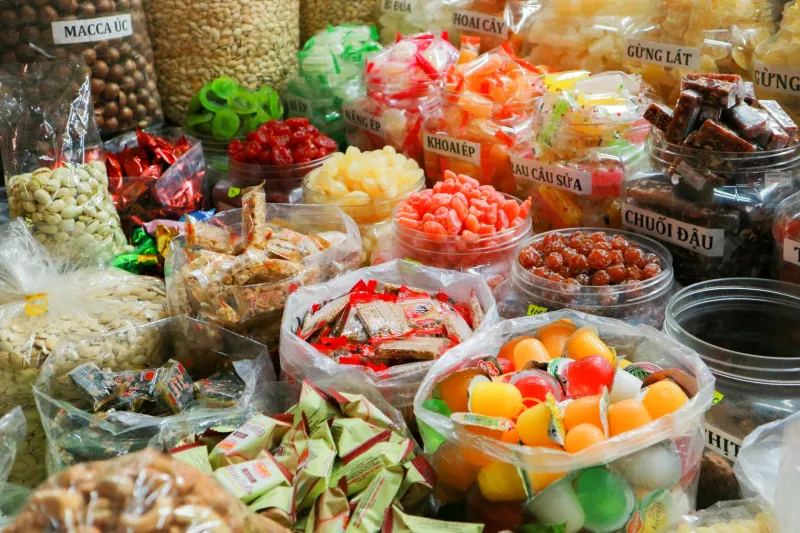
There's a particular kind of magic that happens when you walk into a candy shop and realize you don't recognize a single thing on the shelf. Not because the selection is strange — but because it belongs to a whole other world of sweetness you've never had the pleasure of meeting before. Across America, in cities big and small, that feeling is available on any given Tuesday, no airline ticket required.
America's immigrant communities have quietly built some of the most extraordinary confectionery destinations in the country. These aren't tourist traps or novelty stops. They're living, breathing expressions of culture, heritage, and the deeply human need to taste something that feels like home — even when home is thousands of miles away.
Little Tokyo, Big Flavor
Walk into Mikawaya on East First Street in Los Angeles and the first thing that hits you is the cool, clean scent of rice flour and sweet red bean. This isn't your average candy counter. The glass cases are lined with mochi in flavors ranging from classic strawberry to matcha, black sesame, and yuzu — colors so soft and shapes so perfectly round they look almost too pretty to eat.
Mikawaya has been in business since 1910, making it one of the oldest Japanese confectionery shops in the United States. For generations of Japanese-American families in LA, it's been the place you go before New Year's, before a wedding, before any occasion worth marking with something sweet. But these days, the customer base has widened dramatically. You're just as likely to find a curious college student or a dessert-obsessed food blogger standing in line alongside longtime regulars.
That's the thing about great candy — it doesn't need a translator. One bite of a properly made mochi, with its pillowy chew and subtly sweet filling, and you get it immediately.
The Dulcería: Where Mexican Candy Gets Its Due
Head to San Antonio's West Side and you'll find a stretch of storefronts that have been feeding the neighborhood's sweet tooth for decades. The dulcería — a Mexican candy shop — is a cultural institution in communities across the Southwest, and the ones here are the real deal.
Think walls lined floor to ceiling with cellophane bags of tamarind pulparindo, spicy watermelon lollipops dusted in chili salt, coconut-stuffed dates, and little cups of chamoy waiting to be drizzled over just about anything. There are fruit jellies in jewel-bright colors, pecan pralines wrapped in wax paper, and mazapán — those crumbly, melt-in-your-mouth peanut rounds that are basically edible nostalgia for anyone who grew up in a Mexican household.
Shop owners like Rosa Medina, who has run her family's dulcería on Zarzamora Street for over twenty years, will tell you that the shop is about far more than candy. "People come in and they remember their grandmothers," she says, straightening a display of tamarind straws. "They bring their kids and they want to share that. That's what we're really selling."
For non-Mexican customers discovering these shops for the first time, the experience can be revelatory. The interplay of sweet, sour, salty, and spicy in Mexican candy is genuinely unlike anything in the American confectionery mainstream — and once you've had a tamarind-chili lollipop, it's very hard to go back to plain cherry.
Dearborn's Sweet Bazaar
Dearborn, Michigan is home to one of the largest Arab-American populations in the United States, and its main commercial corridors reflect that beautifully — especially when it comes to sweets. The Middle Eastern bakeries and candy shops here are something else entirely.
Step into any of the sweets shops along Michigan Avenue and you'll be greeted by towering trays of baklava glistening with honey and rose water syrup, alongside dishes of Turkish lokum (what we'd call Turkish delight) dusted in powdered sugar and packed with pistachio, pomegranate, or mastic. There are sugar-coated almonds in a rainbow of colors, sesame-studded halva in thick slabs, and little pyramids of mamoul — date-filled shortbread cookies that are as beautiful as they are delicious.
For many customers, these shops are a connection to countries they've never visited. For the shop owners and their families, they're a daily act of cultural preservation. "These recipes are hundreds of years old," explains one Dearborn shop owner whose family emigrated from Lebanon in the 1980s. "When I make this candy, I'm connected to something much bigger than me."
The lokum alone is worth the trip. Properly made, it's nothing like the waxy, overly sweet blocks you might have encountered in a holiday gift tin. Good lokum is delicate, fragrant, and genuinely complex — a world away from its Western imitations.
Filipino Polvoron and the Joy of Crumble
In the Filipino communities of Daly City, California — sometimes called the "Little Manila" of the Bay Area — polvoron is the candy that makes everyone feel like a kid again. These crumbly, melt-away shortbread rounds, made from toasted flour, powdered milk, sugar, and butter, are wrapped individually in colorful cellophane twists and sold by the bagful in Filipino grocery stores and specialty shops.
Polvoron comes in flavors like ube (purple yam), pandan, pinipig (toasted rice), and cashew, and the texture is uniquely satisfying — it practically dissolves on your tongue. For Filipino-Americans, a bag of polvoron from a trusted shop is the kind of thing you bring to a potluck, send in a care package, or quietly eat in the car on the way home from the store.
Shops like Red Ribbon and smaller independent bakeries have introduced polvoron to a much wider audience in recent years, and it's not hard to see why the candy is finding new fans. In a world of intense, over-engineered desserts, there's something deeply appealing about something this simple, this honest, and this good.
Why These Shops Matter
It would be easy to frame these shops purely as culinary curiosities — exotic destinations for adventurous eaters looking for their next Instagram moment. But that would miss the point entirely.
These candy shops are community anchors. They're where grandparents bring grandchildren to share something irreplaceable. They're where homesick immigrants find a small but meaningful piece of the place they left behind. And increasingly, they're where curious Americans from all backgrounds discover that the world of candy is so much bigger, more varied, and more wonderful than any single tradition can contain.
Every piece of mochi, every tamarind straw, every cube of lokum, every crumble of polvoron carries a story. And the best part? The only thing you need to access that story is a willingness to try something new.
So next time you're looking for a sweet treat, skip the chain store and find a neighborhood gem. Bring an open mind, a curious palate, and maybe a little extra cash for things you didn't know you needed. The world's candy is waiting — and it's delicious.