Salty Meets Its Match: Why America Can't Stop Dipping Everything in Chocolate
Salty Meets Its Match: Why America Can't Stop Dipping Everything in Chocolate
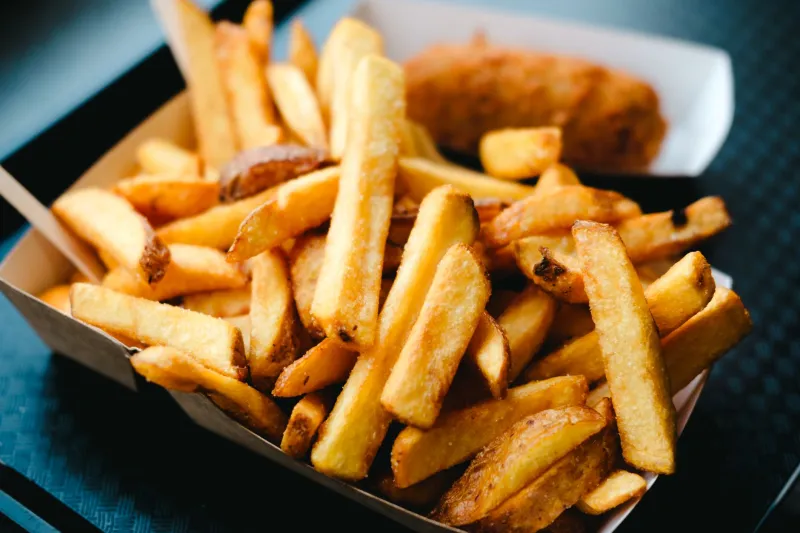
There's a moment — you probably know it — when you accidentally drag a french fry through a chocolate milkshake and your entire understanding of flavor shifts a little. Sweet and salty collide, and suddenly the world makes more sense. America has been chasing that feeling ever since, and these days, the pursuit has gotten wonderfully, gloriously out of hand.
Chocolate-covered potato chips. Chocolate-dipped bacon. Chocolate-enrobed pickle chips. Freeze-dried candy coated in a second shell of dark chocolate. The list keeps growing, and the appetite for it shows absolutely no signs of slowing down. What started as a novelty has quietly evolved into one of the most exciting corners of American confectionery culture — and the artisan makers, home experimenters, and viral food creators driving it forward are pushing the concept somewhere genuinely interesting.
Why Your Brain Is Basically Wired for This
Before we get to the good stuff, it helps to understand why chocolate-covered unexpected things work so well in the first place. Flavor scientists have a term for it: sensory contrast. When two opposing taste profiles — sweet and salty being the most powerful pairing — hit your palate at the same time, your brain registers the experience as more intense and more pleasurable than either flavor alone.
Add textural contrast to the mix (the snap of a chocolate shell against the crunch of a chip, say) and you've got what food researchers call a multisensory reward. Basically, your brain gets a double hit of satisfaction. It's not a guilty pleasure. It's biology.
The richness of chocolate — especially darker varieties — also does something clever: it softens and rounds out aggressive flavors. A pickle chip on its own is sharp, briny, and polarizing. Coat it in bittersweet chocolate and those edges mellow into something surprisingly nuanced. The same principle applies to bacon, pretzels, popcorn, and even hot-pepper candies. Chocolate doesn't hide those flavors. It translates them.
From Gas Station Novelty to Gourmet Statement
Chocolate-covered pretzels and peanut butter cups have been around forever, so the concept itself isn't new. What is new is the level of craft and intentionality being applied to it.
Small-batch makers across the country are treating the chocolate-covered format as a legitimate canvas for flavor storytelling. Brooklyn-based chocolatiers are hand-dipping kettle chips in single-origin Ecuadorian dark chocolate and finishing them with smoked sea salt. Confectioners in Nashville are enrobing crispy bacon strips in bourbon-infused milk chocolate and packaging them like fine bonbons. A Portland operation gained a devoted following by coating freeze-dried mango slices in white chocolate spiked with tajín-style chili-lime seasoning.
These aren't gimmicks. They're considered combinations built around balance, quality ingredients, and an understanding of how contrasting elements interact. The best versions taste like someone actually thought about them — because someone did.
Freeze-dried candy in particular has become its own sub-phenomenon within this trend. The freeze-drying process transforms familiar candies into intensely flavored, airy, crunchy versions of themselves, and coating those in chocolate creates a layered experience that's hard to describe but impossible to stop eating. Brands like Candy Crater and several Etsy-era indie makers turned this into a cottage industry almost overnight, fueled largely by social media.
The Viral Factor
It's impossible to talk about this trend without acknowledging TikTok and Instagram's role in accelerating it. A well-shot video of someone snapping a chocolate-covered pickle chip in half — revealing that bright green interior against a dark chocolate shell — is practically engineered to go viral. The visual contrast is striking. The reaction content writes itself.
Food creators have leaned hard into this, and their audiences have rewarded them for it. Videos tagged with variations of "chocolate covered" have racked up hundreds of millions of views across platforms. When something unexpected performs well online, small makers take notice, home kitchens get experimental, and the next wave of ideas starts forming.
The feedback loop between viral content and artisan production has genuinely accelerated innovation here. Things that might have taken years to find a retail audience now get validated — or dismissed — in a matter of days.
Host Your Own Chocolate Dipping Night
Here's the thing: this is one of the most fun and accessible DIY food experiences you can pull off at home, and it requires almost no specialized equipment. A chocolate dipping night is the kind of gathering that sounds simple but delivers big on entertainment value.
What you'll need:
- Good quality chocolate (use real couverture chocolate if you can find it — the higher cocoa butter content makes for a smoother, snappier shell)
- A double boiler or a heatproof bowl set over a simmering pot
- Parchment-lined baking sheets
- A variety of dipping candidates
The dipping lineup: This is where you get to play. Kettle chips are a crowd-pleaser and a safe starting point. Thick-cut pretzels work beautifully. Strips of crispy bacon are always a conversation starter. For something more adventurous, try freeze-dried strawberries, thin slices of candied orange peel, or yes — if you're feeling bold — pickle chips (pat them completely dry first, or the brine will seize your chocolate).
A few tips for better results: Temper your chocolate if you want that satisfying snap and glossy finish — it takes a little patience but makes a real difference. Work in small batches so your chocolate stays at the right temperature. After dipping, finish with flaky sea salt while the chocolate is still wet. That final touch of salt is what elevates a good chocolate-covered snack into something genuinely memorable.
Let everything set at room temperature rather than rushing it into the fridge, which can cause bloom (that grayish streaking on the surface). Once set, plate them up and let people dig in.
The Artisan Brands Worth Knowing
If you'd rather leave the dipping to the pros — no judgment — there are some outstanding small-batch makers worth seeking out.
Compartés out of Los Angeles has been doing inventive chocolate bars and dipped confections for years, with combinations like potato chip and pretzel that feel both playful and refined. Raaka Chocolate in Brooklyn works with unroasted cacao and has collaborated on some genuinely unusual flavor pairings. For chocolate-covered bacon specifically, Pig Candy has built a devoted following around exactly that premise. And for the freeze-dried candy crowd, a quick search on small-batch confectionery marketplaces will turn up dozens of indie makers doing creative, high-quality work in this space.
The common thread among the best of them is restraint. The chocolate is good enough to stand on its own. The thing being dipped has real flavor worth protecting. And the combination creates something that neither element could pull off alone.
Sweet, Salty, and Here to Stay
The chocolate-covered-everything trend could have been a moment. Instead, it's become a movement — one that keeps getting more interesting as better makers bring better ingredients and more thoughtful approaches to the format. Whether you're ordering artisan chocolate-dipped chips from a small-batch maker, watching someone crack open a freeze-dried candy bar on your phone, or setting up your own dipping station for a Saturday night with friends, the appeal is the same.
Something familiar gets transformed. Flavors that shouldn't work together somehow do. And every bite is just a little bit better than you expected.
That's the whole magic of it, really. And at BonBon Me, we will never, ever get tired of it.