The Sweetest Landmark in Town: Why America's Fudge Shops Are the Real Keepers of Local History
The Sweetest Landmark in Town: Why America's Fudge Shops Are the Real Keepers of Local History
There's a moment that happens in almost every fudge shop in America. A worker in an apron lifts a copper kettle and pours a glossy river of chocolate — or peanut butter, or maple, or something wildly local — onto a cold marble slab. A small crowd gathers. Phones come out. Kids press their noses to the glass. And for just a minute, everyone in that shop is completely, unabashedly present.
That moment is not an accident. It's the whole point.
Across the country, regional fudge shops have been quietly doing something that no algorithm or food trend could manufacture: anchoring communities to their own sense of place. They're not just selling candy. They're selling the feeling of being somewhere specific — of belonging to a town, a coastline, a set of rolling hills. Fudge, it turns out, is edible geography.
More Than a Sweet Tooth Souvenir
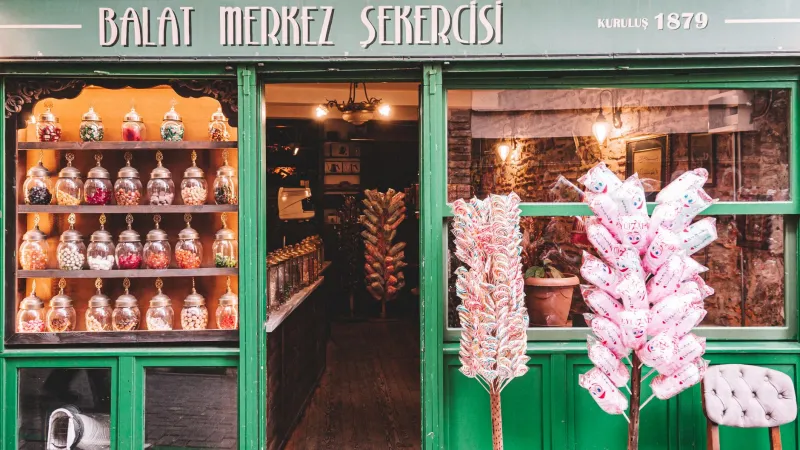
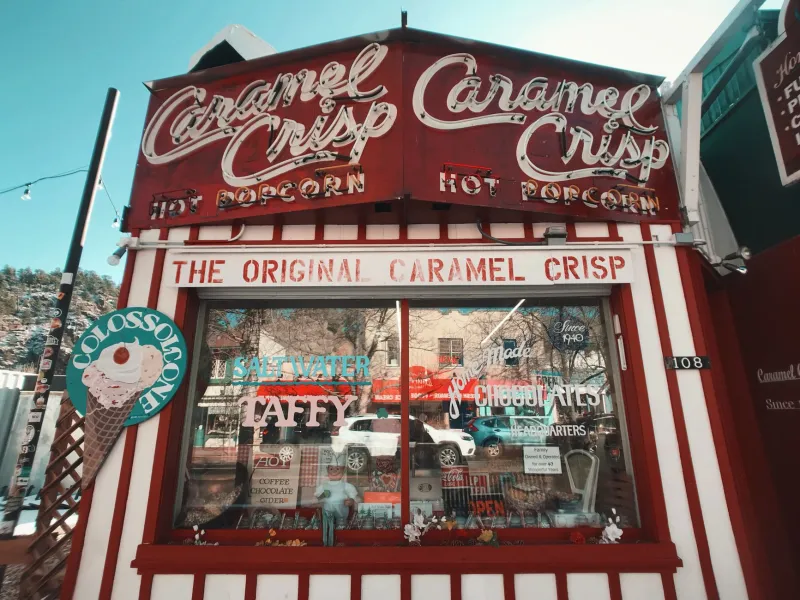
Walk into almost any tourist-friendly small town in America and you'll find one. Sometimes it's a grand old storefront with hand-lettered signs and a tin ceiling. Sometimes it's a humble counter wedged between a T-shirt shop and a lighthouse museum. But the fudge shop is almost always there — and it almost always has a line.
What's fascinating is how deeply these shops reflect the places they come from. This isn't generic candy. A fudge shop in Mackinac Island, Michigan is going to taste fundamentally different from one in Savannah, Georgia, or one tucked into a mountain town in Vermont. The local ingredients, the regional flavor obsessions, the handed-down recipes — all of it ends up in the fudge.
That specificity is exactly what makes these shops matter. In an era when every downtown in America risks looking the same, the fudge shop is stubbornly, deliciously local.
Mackinac Island: Where Fudge Is Basically a Religion
If there's a ground zero for American fudge culture, it might just be Mackinac Island in northern Michigan. The island — accessible only by ferry or small plane, famously free of cars — has been synonymous with fudge since the late 1800s, when Murdick's Candy Kitchen started making it for summer tourists. Today, the island is home to multiple fudge shops, and locals affectionately (and sometimes exasperatedly) call visitors "fudgies."
The Mackinac style is dense, creamy, and made in full view of the customer on those iconic marble slabs. Shops like Joann's Fudge and Ryba's have perfected flavors that lean into Michigan's bounty — think cherry fudge made with the tart Montmorency cherries the region is famous for. Buying a box to take home isn't just a snack decision. It's a ritual. It's proof you were there.
The Texas Hill Country's Pecan-Laced Legacy
Head south and the fudge changes entirely. In the Texas Hill Country — that gorgeous stretch of cedar-covered limestone hills between Austin and San Antonio — pecans are king. And naturally, they end up in everything, including the fudge.
Shops in towns like Fredericksburg and Kerrville lean hard into German immigrant heritage (the Hill Country was heavily settled by German families in the 1800s), blending Old World candy-making sensibilities with deeply Texan ingredients. Pecan praline fudge, butter pecan, dark chocolate with roasted pecans — the combinations are rich, indulgent, and unapologetically Southern in their generosity. A pound of this fudge is basically a love letter to the land.
For many visitors, stopping at a Hill Country fudge shop is as essential as wine tasting or wildflower spotting. It's part of the ritual of being in that specific part of Texas.
Cape Cod and the New England Sweet Spot
Up on the Massachusetts coast, fudge shops operate in the same breezy, salty world as saltwater taffy and lobster rolls. The Cape Cod Fudge Company and similar spots along Route 6A have built followings that span generations of summer families who return year after year.
New England fudge leans toward the classic — vanilla, chocolate, maple — but executed with a kind of quiet precision that feels very much in keeping with the region's personality. Maple walnut is practically a pilgrimage flavor here, made with real Vermont maple syrup and local walnuts. The shops themselves often feel like they haven't changed much in decades, which is entirely the point. People don't come here for novelty. They come for the comfort of something that tastes exactly like it did when they were eight years old.
That intergenerational pull is one of the most powerful things a fudge shop can offer. Parents who grew up eating Cape Cod fudge are now bringing their own kids. The candy becomes a thread connecting different chapters of the same family story.
Why Watching the Process Still Draws a Crowd
In a world where we can watch any recipe being made in 4K on demand, you'd think the spectacle of fudge-making would have lost some of its magic. It hasn't. If anything, the live demonstration feels more special now — more real, more tactile, more human.
There's something almost meditative about watching an experienced candy maker work a batch of fudge on a marble slab. The way they fold it back on itself, test the temperature, know by feel and experience when it's ready. It's skilled craft made visible, and that visibility is a gift. It reminds us that the best sweet things take time and attention.
Many shop owners say the demonstration is the most important marketing tool they have — not social media, not email lists. Just the act of making it in front of people, letting the smell do the work, watching faces light up.
A Living Souvenir Worth Savoring
Here's the thing about fudge as a souvenir: it's better than a magnet or a mug because it disappears. You eat it, and then it's gone, and all you have left is the memory of it — the flavor, the place, the moment. That impermanence makes it precious.
And unlike a lot of food souvenirs that feel generic, a well-made regional fudge genuinely tastes like somewhere. The cherry version from Mackinac. The pecan praline from Fredericksburg. The maple walnut from the Cape. Each one carries a little bit of the place it came from, and eating it later — back home, far from wherever you were — can conjure a whole trip in a single bite.
That's the real magic of the American fudge shop. It's not just candy. It's a place, compressed into a square. A memory you can taste.
So next time you're road-tripping through a small town and you spot that hand-painted sign in a shop window, do yourself a favor. Go in. Watch the marble slab. Try the local flavor. Buy the box. Life, after all, is sweeter with every bite.