Sweetness from the Past: Why America Can't Stop Craving the Candy of Its Childhood
Sweetness from the Past: Why America Can't Stop Craving the Candy of Its Childhood
There's a specific kind of joy that hits you when you spot a candy you thought had vanished from the earth — sitting right there on a gas station shelf or tucked into a specialty shop display like it never left. Your hand reaches for it before your brain even registers what's happening. That's not impulse buying. That's memory.
Nostalgia has always had a soft spot in American culture, but right now, it's doing something extraordinary in the candy aisle. From major confectionery giants rolling out retro packaging to small-batch artisan makers recreating the exact flavor profile of a 1987 lunchbox treat, the business of sweet remembrance is booming — and it shows absolutely no signs of slowing down.
Why Candy Hits Different When It Comes to Memory
Food memory is a well-documented psychological phenomenon, but candy occupies a particularly powerful corner of it. Unlike a childhood dinner you might remember fondly, candy was often tied to freedom — the autonomy of spending your own allowance, the thrill of a holiday haul, the social currency of the school lunch table.
Dr. Alan Hirsch, a neurologist who has studied the relationship between smell, taste, and memory for decades, has noted that sensory experiences from childhood tend to anchor themselves more deeply in our emotional memory than adult experiences do. Candy, with its intense flavors, bright colors, and distinctive textures, is practically engineered to create those kinds of imprints.
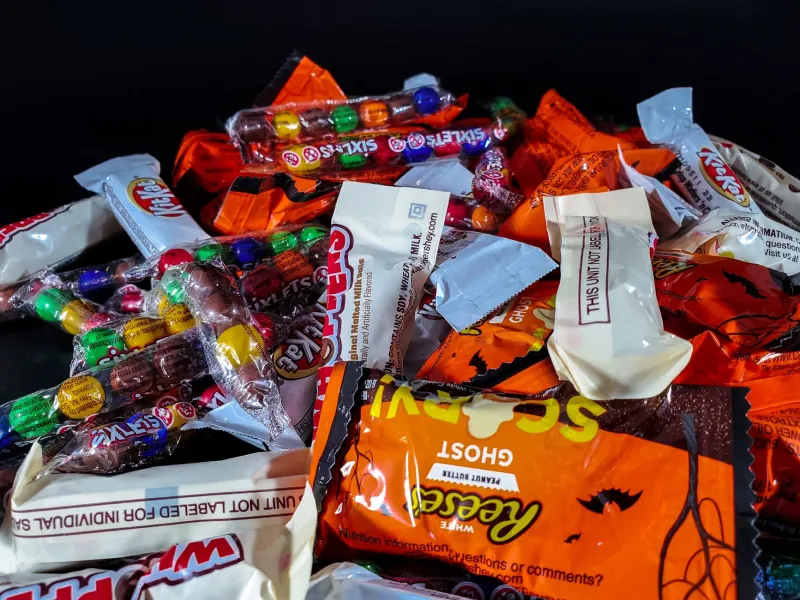
For Gen X and Millennials — the two demographics currently driving the nostalgia economy hardest — that means anything associated with Saturday morning cartoons, the local penny candy store, or a Halloween bucket from the early '90s carries serious emotional weight. Brands know this. And they're leaning into it with everything they've got.
Big Candy's Retro Playbook
Look at what's been happening on the macro level over the past few years and a clear pattern emerges. Major brands have been systematically mining their own archives for gold.
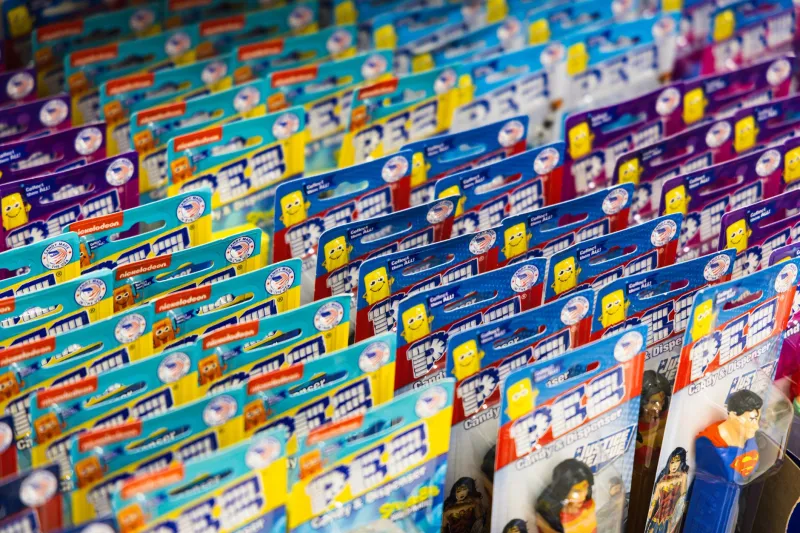
Nestlé brought back the Butterfinger BB's format (in a slightly updated form) after years of fan petitions. Mars has experimented with vintage-style packaging on classic bars, evoking the look of decades-old wrappers. Even Hershey's has played with limited-edition throwback designs that send longtime fans into a mild frenzy on social media.
The strategy isn't accidental. According to industry analysts, limited-edition retro releases consistently outperform standard product launches in terms of social engagement and earned media. When a brand announces it's bringing back a beloved discontinued product — even temporarily — the internet does the marketing for free. Nostalgia is essentially a built-in viral mechanism.
But it's not just about packaging. Flavor revivals are where things get really interesting. The push to recreate discontinued or reformulated flavors has become a genuine consumer movement, with dedicated Reddit communities, Facebook groups, and even petition platforms devoted entirely to getting specific candies back on shelves.
The Indie Confectioners Cashing In on the Time Machine
While the big players have the resources to conduct extensive consumer research before any retro relaunch, a scrappier and arguably more authentic version of the nostalgia economy is happening at the artisan level.
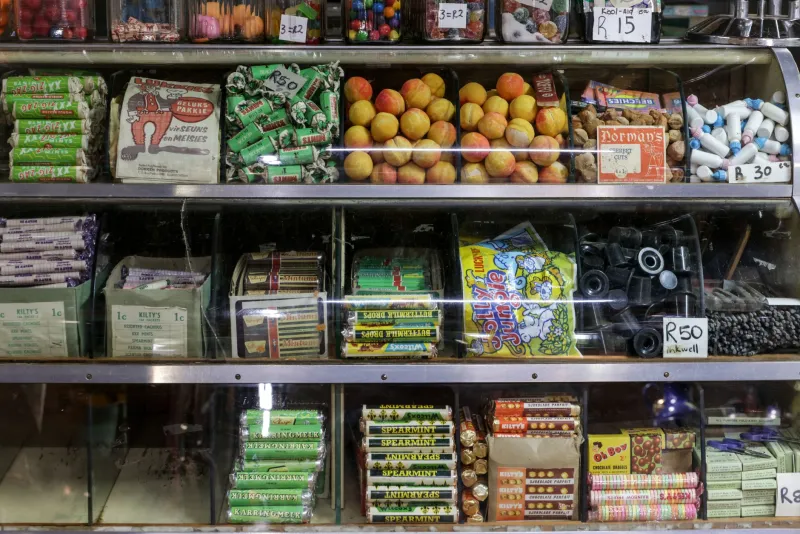
Take shops like Hammond's Candies in Denver, which has built a loyal following partly on the strength of old-fashioned candy-making techniques that feel genuinely vintage rather than manufactured-retro. Or consider the wave of small candy makers on Etsy and at farmers markets who specialize in recreating the exact texture and flavor of classic penny candies — wax bottles, candy cigarettes, root beer barrels — using better-quality ingredients than the originals ever had.
"People don't just want the taste," says one Brooklyn-based confectioner who runs a small operation focused entirely on vintage American candy styles. "They want the feeling. They want to be eight years old again for about thirty seconds. My job is to give them those thirty seconds."
That emotional transaction — trading a few dollars for a brief, vivid flash of childhood — is the core value proposition of the nostalgia candy market. And it's one that artisan makers are often better positioned to deliver than massive corporations, because the handmade quality adds an authenticity that a factory-produced throwback can struggle to match.
What's Actually Showing Up on Shelves
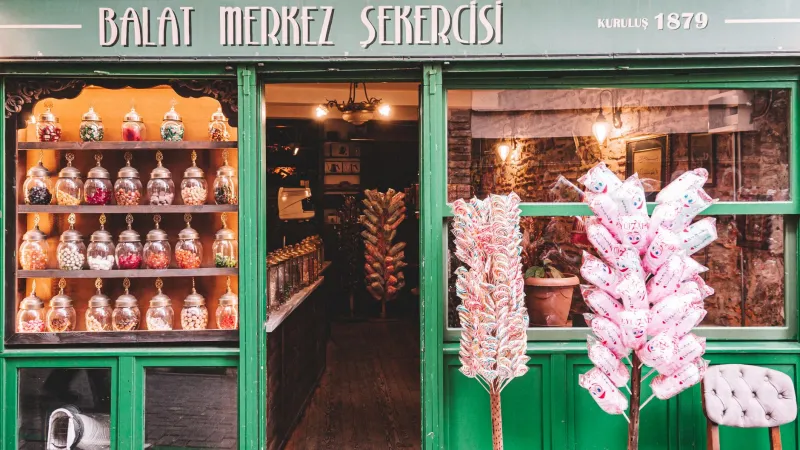
Walk into any well-curated specialty candy shop in America right now and you'll see the nostalgia economy in full effect. Alongside the artisan chocolate bars and single-origin confections, there are almost certainly shelves dedicated to retro candy — whether that's genuine vintage stock purchased from specialty distributors, faithful modern recreations, or carefully curated assortments of regional candies that younger generations never encountered.
Retailers like Dylan's Candy Bar and IT'SUGAR have leaned heavily into the nostalgic display aesthetic, creating environments that feel like a candy store your parents might have visited as kids, just with better lighting and an Instagram-friendly layout.
Online, the market is even more vibrant. Subscription boxes built entirely around retro and vintage candy themes have found dedicated subscriber bases. Sites that specialize in regional and international candy that evokes a specific time and place do brisk business. Even Amazon has become a surprising destination for discontinued candy hunters, with third-party sellers offering everything from vintage Willy Wonka products to regional treats that never made it to national distribution.
The Flip Side: When Nostalgia Gets Complicated
It's worth noting that not every trip down candy memory lane is entirely rosy. Some beloved retro candies were discontinued for reasons that make sense in retrospect — ingredient concerns, sourcing issues, or simply recipes that don't hold up to modern palates as well as memory insists they do.
There's also a real tension between the idealized memory of a candy and the actual product. More than a few fans who've successfully campaigned for a beloved treat's return have found themselves mildly disappointed when the real thing doesn't quite match the version living rent-free in their heads for twenty years. Memory, it turns out, is a pretty generous editor.
Still, the occasional letdown hasn't dampened the enthusiasm. If anything, it just fuels more conversation — more debate, more community, more shared experience around candy. Which is, when you think about it, exactly what candy has always been about.
The Sweetest Kind of Time Travel
At the end of the day, the nostalgia candy boom is about more than marketing strategy or shelf trends. It's about the genuinely human desire to revisit moments of uncomplicated happiness — and the remarkable ability of a specific flavor, a particular texture, or even just a familiar wrapper to unlock those moments on demand.
Whether you're a Gen X-er hunting down a long-lost regional candy bar or a Millennial buying a bag of Surge-flavored gummies because they remind you of a specific summer, you're participating in something that's been part of American candy culture since the very beginning: the idea that sweetness isn't just a taste. It's a feeling.
And right now, that feeling is absolutely everywhere.