Golden and Gloriously Sticky: How Artisan Caramel Became America's Sweetest Obsession
Golden and Gloriously Sticky: How Artisan Caramel Became America's Sweetest Obsession
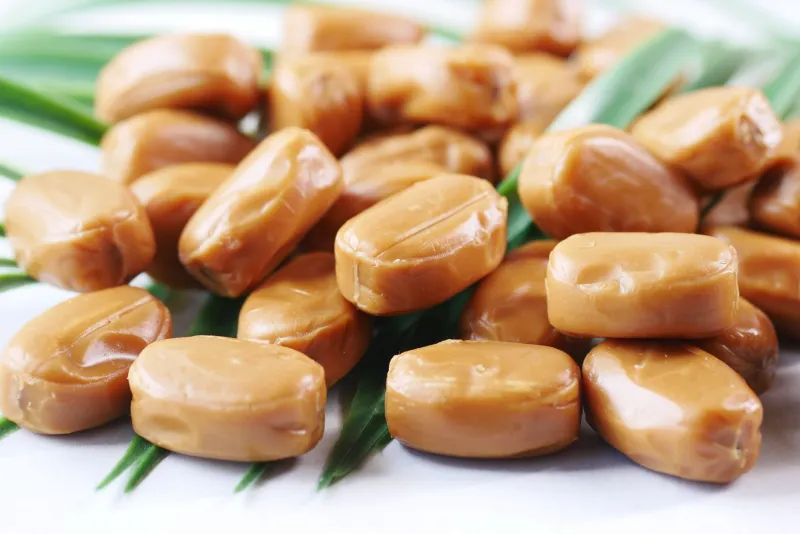
There's a moment — you probably know it — when a really good caramel hits your tongue. Not the waxy, too-sweet kind that sticks to your back teeth and disappears into nothing. The real kind. The kind that's warm and buttery and just a little bit salty, that pulls slowly and melts in layers. It's one of those small, unreasonable pleasures that somehow feels like everything.
For a long time, caramel played backup. It was the supporting character in a candy bar, the drizzle on a latte, the thing you unwrapped while watching TV without really thinking about it. But right now, across the US, a growing community of artisan confectioners is putting caramel front and center — and what they're doing with it is genuinely exciting.
Why Caramel, and Why Now?
If you've been watching the artisan food scene — and here at BonBon Me, we absolutely have — you've probably noticed that the same wave lifting craft chocolate, small-batch ice cream, and single-origin coffee is now washing over caramel. Consumers are more curious about ingredients, more willing to spend a little more for something made with intention, and more interested in flavor complexity than ever before.
Caramel is a natural fit for that moment. At its core, it's just sugar and heat — but what happens in that pot is genuinely magical. The Maillard reaction, the caramelization of sugars, the way dairy fat interacts with heat — every tiny variable changes the outcome. Temperature, timing, the type of sugar, the fat content of the cream: it all matters. That level of craft depth gives serious confectioners a lot to play with.
And play they have.
Sea Salt Was Just the Beginning
Let's be honest: salted caramel kind of changed everything when it went mainstream in the 2010s. But the artisan makers who've been doing this for years will tell you that sea salt was just the first page of a much longer story.
Today, small producers across the country are experimenting with smoked salts from the Pacific Northwest, black lava salt from Hawaii, and even finishing their caramels with flaky Maldon for a textural crunch that plays beautifully against the soft pull of the candy itself. Salt, it turns out, isn't just a flavor — it's a tool for balance, contrast, and drama.
But the real adventurousness is happening with the sugar itself. Some makers are working with turbinado or demerara sugars that bring a deeper, more molasses-forward flavor profile. Others are experimenting with smoked sugar — yes, literally wood-smoked — which adds a subtle campfire complexity that's equal parts unexpected and completely addictive.
Whiskey, Miso, and the Case for Grown-Up Caramel
If you want to understand how far artisan caramel has come, consider that some of the most talked-about small-batch producers in the country are now infusing their batches with bourbon, rye whiskey, and even Japanese whisky. The alcohol cooks off, but the oak and vanilla notes stay behind, giving the caramel a warmth and depth that feels genuinely sophisticated.
Then there's the savory direction. A handful of bold makers — particularly on the coasts — have started incorporating white miso into their caramel bases. It sounds strange until you taste it: the miso adds an umami richness and a slight fermented tang that makes the sweetness feel rounder and more complex. It's the kind of thing that makes you stop mid-chew and think, what is happening right now, and how do I get more of it?
Other producers are leaning into herbs and botanicals — lavender from small farms in Oregon, black pepper, cardamom, even dried citrus peel. These aren't gimmicks. In the hands of a skilled maker, they're flavor bridges that take caramel somewhere genuinely new.
Texture Is the New Frontier
Beyond flavor, artisan caramel makers are obsessing over texture in ways that mass production simply can't replicate. And honestly, this might be the most exciting part of the whole movement.
On one end of the spectrum, you have the ultra-soft, almost pourable caramels — barely set, with a melt-in-your-mouth quality that's closer to ganache than to candy. On the other end, makers are playing with the line between caramel and toffee, cooking their sugar higher and longer to create a snappier, more brittle result that shatters cleanly and then melts in a slow, buttery wave.
Some producers are layering both textures in a single piece — a snappy toffee shell around a soft caramel center, or a caramel enrobed in dark chocolate with a sprinkle of fleur de sel on top. These aren't just candies. They're little edible compositions.
The Makers to Know Right Now
The artisan caramel world is full of passionate, creative people doing remarkable work out of small kitchens and local storefronts. While the landscape is always evolving, a few names consistently come up in conversations among serious candy lovers.
In the Pacific Northwest, makers are leaning hard into local dairy and regional salts, producing caramels with a clean, grassy richness that reflects the terroir of the region. In the South, you'll find producers drawing on pecan traditions and brown butter techniques that feel deeply rooted in local food culture. New England makers often bring a maple sensibility to their work, blending caramel with Grade A dark amber syrup for something that feels warmly autumnal year-round.
The best way to find these makers? Farmers markets, local specialty food shops, and Instagram — where the caramel community is surprisingly active and enthusiastic about sharing their process.
Make Your Own: The Case for DIY Caramel
Here's the thing about caramel: it's intimidating until it isn't. Yes, you need a candy thermometer. Yes, you need to pay attention. But the actual process — melting sugar, adding cream and butter, pouring into a pan — is more accessible than most people think.
Starting with a basic soft caramel recipe and then experimenting with your own add-ins is one of the most satisfying kitchen projects you can take on. Try finishing with a smoked salt. Add a tablespoon of good bourbon toward the end of cooking. Stir in a teaspoon of white miso and see what happens. The learning curve is real, but the reward — a pan of glossy, golden, handmade caramel that you cut into squares and wrap yourself — is absolutely worth it.
And if you share them? People will lose their minds.
The Sweetest Comeback
Caramel has always been loved. But it's never quite been celebrated the way chocolate or even gummy candy has been. That's changing. The artisan makers leading this moment are proving that this humble confection has more range, more depth, and more personality than most people ever gave it credit for.
So next time you're browsing a specialty candy shop or scrolling past a small-batch maker on social media, stop and give the caramel a second look. Chances are, it's not what you remember from childhood — and that's a very, very good thing.