Rooted in Sweetness: How Black-Owned Candy Brands Are Bringing Culture, Heritage, and Bold Flavor to Every Bite
There's a moment — you probably know it — when a piece of candy does something unexpected. It doesn't just taste good. It transports you. Maybe it's the warmth of a spice you can't quite name, or a sweetness that feels familiar even if you've never had it before. That's the kind of candy a growing wave of Black-owned confectionery businesses across the United States is making right now, and honestly? It's some of the most exciting stuff happening in the American sweet scene.
These aren't just businesses. They're love letters to grandmothers, to neighborhoods, to the flavors that shaped childhoods and built communities. And they're rewriting what American candy can actually be.
Where It All Starts: The Kitchen Table
For many of these founders, the story begins long before a business license or a retail shelf. It starts at a kitchen table — a grandmother's cast iron pot, a family praline recipe passed down through generations, a Trinidadian aunt's rum-spiked coconut drops that showed up every Christmas without fail.
Take the New Orleans praline tradition, for example. Pralines in Louisiana have deep roots in Black culinary history. Formerly enslaved women known as "pralinières" sold these pecan-and-sugar confections on the streets of the French Quarter in the 19th century, turning a French import into something entirely their own. Today, Black-owned praline shops and candy makers across the South are reclaiming and celebrating that lineage — not as a gimmick, but as genuine cultural pride baked right into the recipe.
These founders talk about their products with the kind of specificity that only comes from lived experience. The exact ratio of brown sugar to cream. The way the candy has to be stirred at just the right moment. The particular crunch that means it's done. That knowledge doesn't come from a culinary school textbook. It comes from watching, helping, and remembering.
Bold Flavors That Don't Ask Permission
One of the most exciting things about this new wave of Black-owned candy brands is the flavor confidence. There's no hedging, no watering things down for a perceived mainstream palate. These makers are going in.
Think hibiscus-infused caramels that pull from West African botanical traditions. Bourbon pecan brittles with a deep, smoky sweetness that hits different from anything you'd find in a gas station bag. Chocolate bars seasoned with warming spices like cardamom and ginger that echo the spice trade routes connecting Africa, the Caribbean, and the American South. Coconut candy inspired by Jamaican grater cake — that pink-and-white confection that's been a staple of Caribbean street food for generations.
These flavors aren't novelties. They're not "exotic" additions to an otherwise vanilla (pun intended) candy world. They're the real thing — rooted in culinary traditions that have always been rich, complex, and deeply satisfying. It just took the right platforms and the right moment for the wider candy-loving public to start paying attention.
Bean-to-Bar and Beyond: The Craft Chocolate Movement Gets a New Voice
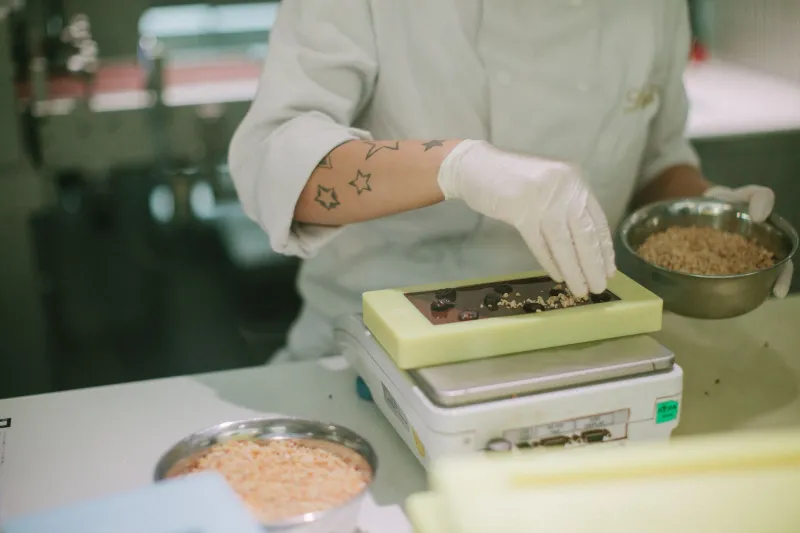
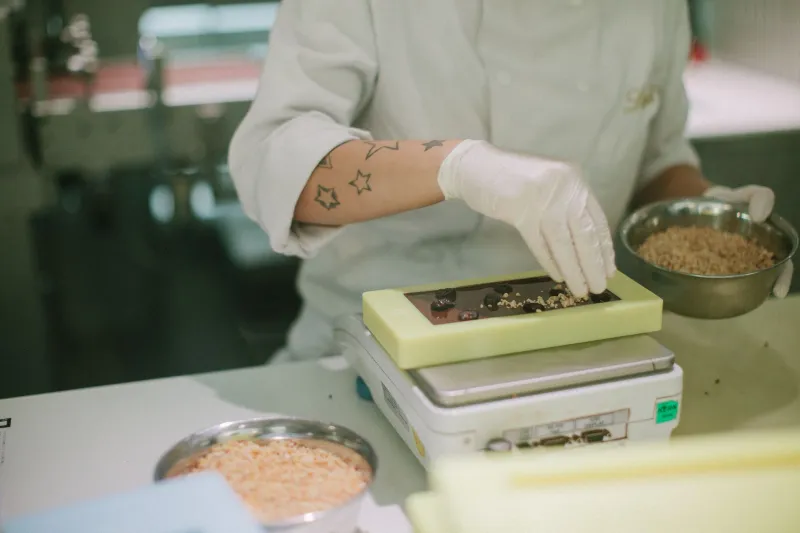
The craft chocolate movement has been buzzing for years, but Black chocolatiers are now stepping into that space and bringing something genuinely fresh to the conversation. In cities like Atlanta, Chicago, Houston, and Washington D.C., small-batch bean-to-bar operations run by Black founders are sourcing cacao directly from West African and Caribbean farmers — often creating supply chain relationships that prioritize equity and fair compensation in a way that the broader chocolate industry has historically failed to do.
There's something powerful about a chocolatier who can trace their bar's cacao back to Ghana or Trinidad and connect that geography to their own family history. It adds a layer of meaning to the tasting experience that no amount of fancy packaging can manufacture. When you bite into one of these bars and read the origin story on the back, you're not just consuming chocolate — you're participating in something.
And the chocolate itself? Exceptional. Complex flavor profiles that reflect the terroir of their source regions. Notes of dried fruit, earth, and floral brightness that mass-market chocolate simply doesn't attempt. These makers are proving that American craft chocolate has more dimensions than it's ever been given credit for.
Building Community, One Bonbon at a Time
Beyond the flavors and the heritage, what really stands out about so many of these brands is their commitment to community. A lot of these founders aren't just trying to build a business — they're trying to build something that gives back to the neighborhoods and people who inspired them in the first place.
That might look like sourcing ingredients from Black-owned farms, hiring locally, running candy-making workshops for kids in underserved communities, or showing up at Black-owned markets and pop-ups instead of chasing big retail partnerships right out of the gate. It's a slower, more intentional kind of growth — and it's creating loyal customer bases who feel genuinely connected to what they're buying.
Social media has been a huge accelerant here. Platforms like Instagram and TikTok have allowed these makers to build audiences directly, tell their stories in their own words, and sell product without needing a gatekeeper's approval. A gorgeous video of praline being poured onto marble, or a close-up of a hand-painted chocolate bonbon, can reach thousands of people overnight. The visual language of artisan candy is perfectly suited to the scroll.
Why This Matters for the Whole Sweet World
Here's the thing about a more diverse confectionery landscape: it's better for everyone who loves candy. Full stop.
When more voices, more traditions, and more flavor philosophies enter the conversation, the whole industry gets richer. We get pralines that carry real historical weight. We get chocolate that connects the dots between continents. We get candy that surprises us, moves us, and makes us think about where sweetness actually comes from — not just in terms of ingredients, but in terms of people and places and stories.
American candy has always been a reflection of American culture. Right now, that culture is being told more fully and more honestly than ever before, one hand-crafted piece at a time.
So the next time you're looking to treat yourself — and let's be real, you're always looking to treat yourself — seek out a Black-owned candy brand. Try the hibiscus caramel. Order the pralines. Unwrap the bean-to-bar chocolate and actually read the story on the label. Life really is sweeter when you pay attention to who's doing the making.