Last Call for Dessert: The Rise of Boozy Bonbons and Candy-Inspired Cocktails
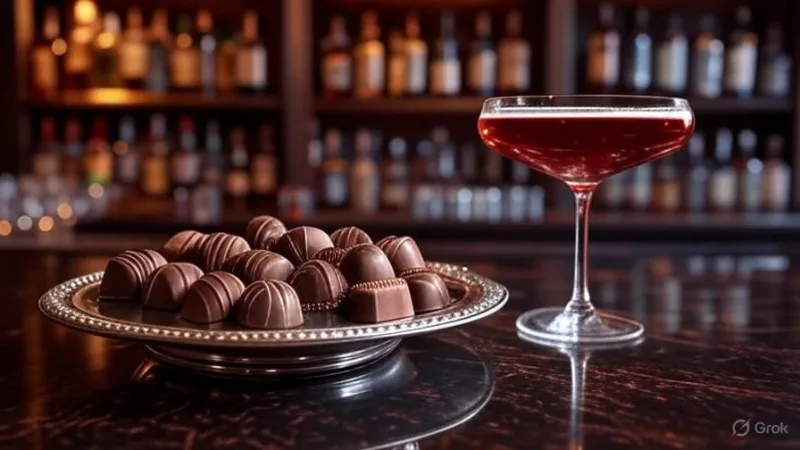
Photo: luxury chocolate truffle cocktail pairing elegant bar setting dark moody, via occasiowinery.com
There's a moment at the end of a really exceptional dinner when you don't want it to be over. The plates are cleared, the conversation is still flowing, and what you want — what you really want — is something that bridges the gap between the meal and the night ahead. Not quite a cocktail. Not quite dessert. Something that's gloriously, unapologetically both.
America's craft candy makers and bartenders have noticed. And they've been busy.
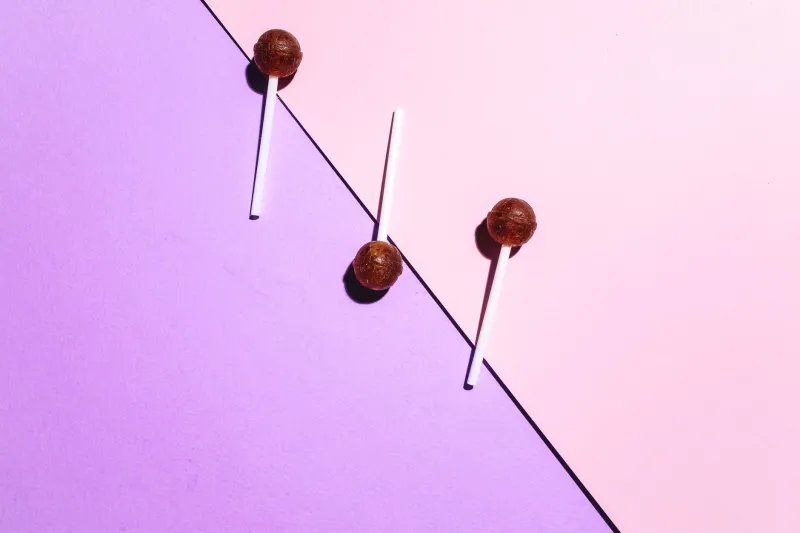
The overlap between artisan confectionery and the craft spirits world has quietly become one of the most exciting developments in American food culture. Bourbon-spiked caramel bonbons. Champagne gummies. Mezcal lollipops with a chili-salt rim. Absinthe truffles with a botanical ganache that blooms on your tongue. These aren't novelties or gimmicks — they're serious culinary creations made by people who understand both sugar and spirits at a deep level.
Where Candy Meets the Craft Bar
The timing makes sense. The craft cocktail movement, which spent the 2010s transforming American drinking culture, created a generation of consumers who expect complexity, provenance, and storytelling in their glasses. Meanwhile, the artisan candy renaissance brought those same values to confectionery. When the two worlds started talking to each other, the results were inevitable.
"I'd been making chocolate for eight years when I started collaborating with a local distillery," says Daniel Park, founder of Gilt & Grain Chocolatiers in Louisville, Kentucky — ground zero for bourbon culture. "The flavor vocabulary overlaps so much. Vanilla, caramel, dark fruit, oak. Chocolate and bourbon were practically made for each other. It just took someone to make the introduction formal."
Park's flagship creation — a dark chocolate bonbon filled with a Pappy Van Winkle-infused caramel and finished with smoked sea salt — has a waitlist. It's the kind of product that doesn't need much marketing. People taste it once and they're already texting someone about it.
The Technical Puzzle of Alcohol in Candy
Making candy with alcohol is not as simple as pouring your favorite bourbon into a ganache and calling it a day. The chemistry involved is genuinely tricky, and the makers who do it well have usually spent considerable time failing at it first.
Alcohol affects how chocolate sets, how caramel behaves, and how sugar crystallizes. Too much and your ganache won't firm up. Too little and you lose the flavor impact you're chasing. Getting the balance right requires a solid understanding of fat ratios, water activity, and emulsification — the kind of knowledge that comes from either formal pastry training or a lot of very educational mistakes.
"My first attempt at a whiskey ganache was basically soup," laughs Elena Vasquez, who runs Copperhead Confections in Nashville. "Alcohol inhibits crystallization. I had to completely rethink my approach — reduce the spirits first to concentrate the flavor, then introduce them at a very specific point in the process. Now I can hit a pretty precise ABV in the finished candy."
That ABV question is also where things get legally interesting. In most U.S. states, candy with an alcohol content above 0.5% is subject to the same licensing and distribution regulations as alcoholic beverages — meaning you can't just sell it at a regular farmers market or ship it across state lines without navigating a fairly complex regulatory framework. Most artisan makers keep their products at or below that threshold for retail purposes, while producing higher-ABV versions for sale directly from licensed premises or in partnership with bars and restaurants.
The Cocktail Bar Connection
On the other side of this beautiful equation, bartenders are raiding the candy shop for inspiration — and sometimes for actual ingredients.
At upscale bars in cities like New York, Chicago, San Francisco, and New Orleans, candy-inspired cocktails have become a legitimate menu category. We're not talking about sugary, syrup-heavy drinks with a gummy bear garnish. We're talking about sophisticated compositions that use artisan confectionery techniques and ingredients to create something genuinely unexpected.
Think: a smoked caramel old fashioned made with house-made caramel that uses the same slow-cook technique as a boutique candy maker. Or a white chocolate and lavender martini built around a ganache-washed vodka. Or a mezcal sour finished with a hand-painted chocolate truffle that melts slowly into the drink as you sip.
"Candy gives us a whole new flavor vocabulary to work with," says Marcus Reid, head bartender at Sugarhouse, a cocktail bar in Chicago that's built much of its menu around confectionery-inspired flavors. "The way a good pastry chef thinks about flavor layering and texture — that's exactly how we want to think about building a drink. We've learned a lot from collaborating with candy makers."
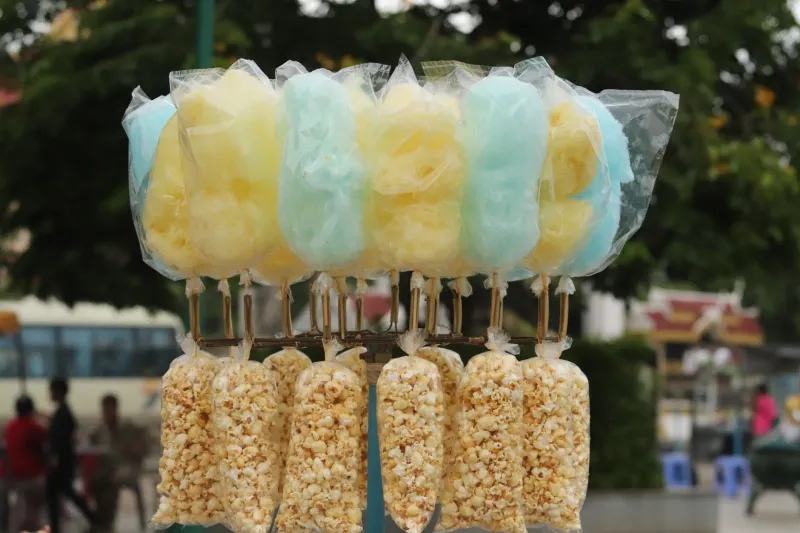
Reid's current menu includes a salted toffee negroni, a cotton candy-washed gin and tonic, and a rotating "bonbon shot" — a single bite of house-made chocolate paired with a perfectly matched two-ounce pour. The latter sells out every weekend.
Pairing Principles: What Works and Why
For those curious about exploring this world at home, the flavor pairing logic is actually pretty intuitive once you understand a few guiding principles.
Whiskey and bourbon love caramel, dark chocolate, dried fruit, and anything with a hint of smoke or spice. Rum — particularly aged rum — is a natural partner for tropical fruit candies, coconut, and anything with a molasses undertone. Champagne and sparkling wines sing alongside citrus-forward confections, white chocolate, and elderflower. Gin's botanical complexity pairs beautifully with floral candies, bergamot, and anything herbaceous. And mezcal, with its smoky, earthy character, is surprisingly magical alongside dark chocolate with chili or sea salt caramels.
The rule of thumb: look for flavor bridges. Find the notes the spirit and the candy share, and build from there.
A New Ritual for the End of the Night
What's driving all of this, beyond the obvious deliciousness, is a cultural appetite for experiences that feel special and considered. The after-dinner ritual — once the province of a predictable dessert menu — is being reimagined as something more personal, more curated, more memorable.
A beautiful box of alcohol-infused bonbons is now a genuinely sophisticated gift. A candy-cocktail pairing experience at a craft bar is a date-night moment. A single exquisite truffle alongside a perfectly chosen pour is its own kind of luxury — one that doesn't require a full dessert course or a sky-high price tag.
For the makers doing this work, that's the most exciting part. "Candy has always been about joy and connection," says Park. "We're just finding new ways to make that moment last a little longer."
Here's to lingering. Cheers — and bon appétit.