Guilt-Free and Gloriously Delicious: How American Candy Makers Are Giving Classic Sweets a Wholesome Makeover
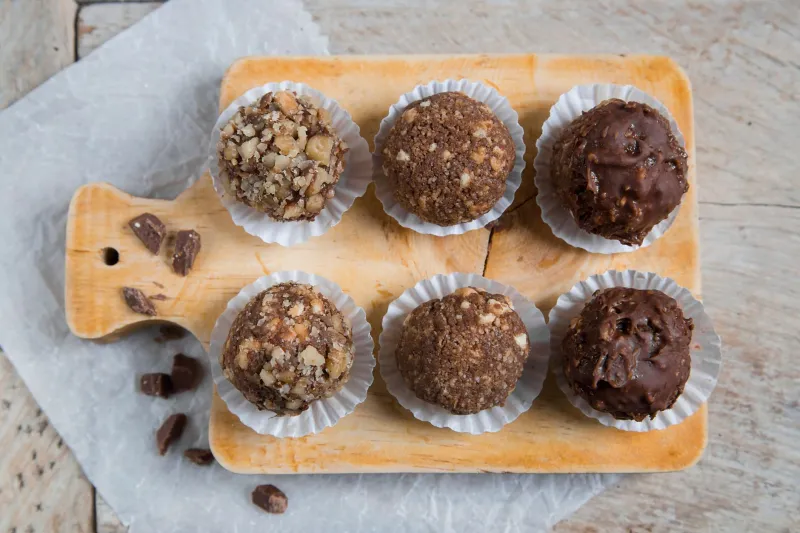
Let's be honest: nobody wants to give up candy. Not really. Sure, we scroll past wellness content pledging to "cut sugar forever," but the moment someone sets a bowl of chocolate truffles on the conference room table, all bets are off. The sweet tooth doesn't disappear — it evolves. And right now, it's evolving fast.
Across the United States, a quietly revolutionary generation of candy makers is rethinking what confectionery can look like when you swap refined sugars, artificial dyes, and mystery-ingredient fillers for something a little more... intentional. The result? Sweets that taste indulgent, feel satisfying, and don't send you spiraling into ingredient-label anxiety. Welcome to the better-for-you candy boom — and trust us, it's a lot more delicious than it sounds.
The Shift Nobody Saw Coming (Except Everyone Did)
Health-conscious eating has been creeping into every corner of the food world for years. We've watched it transform fast food menus, reinvent breakfast cereals, and completely overhaul the snack aisle. But candy? Candy felt sacred — untouchable. That was the whole point.
Then something shifted. Consumers started reading labels more carefully. Demand for organic, non-GMO, and plant-based options climbed. And a growing number of shoppers began asking a question that would have seemed almost heretical a decade ago: Can my candy actually be good for me?
The answer, it turns out, is complicated in the best possible way. The goal isn't to turn a bonbon into a multivitamin. It's to make something genuinely craveable using ingredients you'd actually recognize — and American candy makers are absolutely rising to that challenge.
Meet the Makers Changing the Game
Unreal Brands, based out of Boston, made early waves by stripping artificial ingredients from candy bar-style treats and replacing them with fair-trade chocolate, coconut sugar, and quinoa crisps. Their peanut butter cups have developed a devoted following among people who swear they taste better than the original. Controversial? Maybe. Delicious? Absolutely.
Over in California, SmartSweets has become something of a cult phenomenon with their low-sugar gummy bears and sour worms — products that use plant-based sweeteners and deliver that familiar chew without the sugar crash. They've managed to make "only 3 grams of sugar" feel like a victory lap rather than a consolation prize.
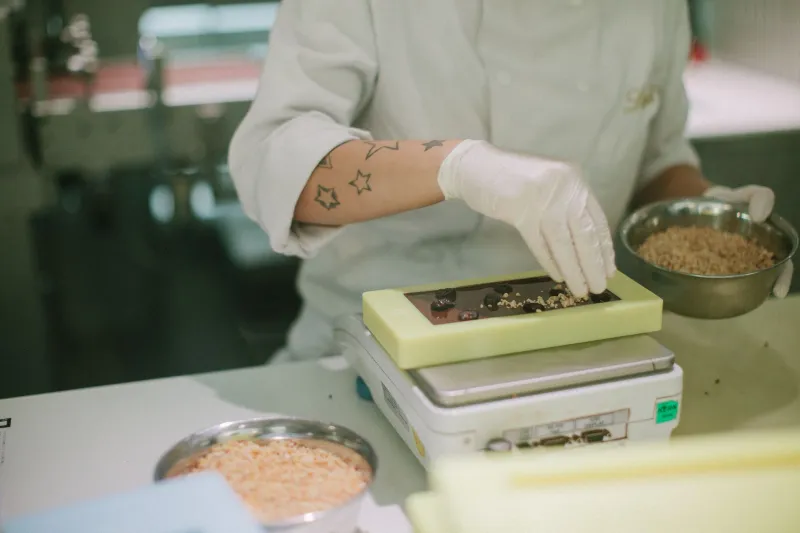
Then there's the bonbon renaissance happening in artisan chocolate studios from Brooklyn to Portland. Small-batch chocolatiers are crafting filled chocolates sweetened entirely with Medjool dates, raw honey, or maple syrup. The textures are lush, the flavors are complex, and the ingredient lists are short enough to read in one breath. Shops like Compartés in Los Angeles and Lagusta's Luscious in New York have been blending ethical sourcing with creative flavor profiles for years, proving that clean ingredients and serious craft can absolutely coexist.
What's Actually in These Better-For-You Sweets?
If you're new to the world of cleaner confectionery, the ingredient swaps can feel a little daunting at first. But once you understand the logic, it starts to make a lot of sense.
- Date paste and date syrup are doing heavy lifting as natural sweeteners in chocolates, caramels, and energy-style bites. They bring a rich, almost caramel-like sweetness along with fiber and minerals.
- Coconut sugar has a lower glycemic index than refined white sugar and carries a subtle butterscotch undertone that works beautifully in toffees and brittle.
- Monk fruit and allulose are showing up in gummies and hard candies as zero-calorie sweeteners that behave more like real sugar than older alternatives ever did.
- Pectin (derived from fruit) is replacing gelatin in gummies, making them vegan-friendly and giving them a slightly different — many would say more pleasant — chew.
- Real fruit juice and freeze-dried fruit powders are replacing artificial flavors and synthetic dyes, bringing natural color and genuine taste to everything from lollipops to sour belts.
The result is a candy landscape that's more transparent, more diverse, and honestly more interesting than it's ever been.
Try It at Home: Smarter Swaps for Your Favorite Treats
You don't have to wait for your local artisan chocolate shop to stock up. The better-for-you candy movement is incredibly DIY-friendly, and your kitchen is the perfect place to experiment. Here are a few swaps worth trying:
Chocolate truffles: Replace heavy cream with full-fat coconut cream for a dairy-free ganache that's just as silky. Sweeten your chocolate with a drizzle of pure maple syrup instead of powdered sugar — the depth of flavor is genuinely remarkable.
Gummy candies: Use 100% fruit juice (tart cherry and mango are fantastic) combined with grass-fed gelatin or agar-agar for a vegan version. Skip the corn syrup entirely — the fruit juice provides enough sweetness on its own.
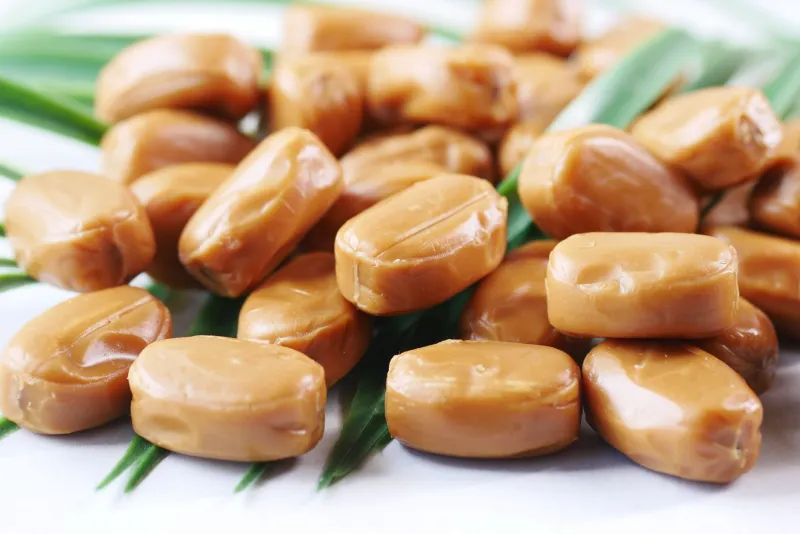
Caramel: Swap refined sugar for coconut sugar and use a plant-based butter. The color will be deeper and the flavor more complex, with a natural butterscotch quality that feels almost fancy.
Hard candy and lollipops: Allulose behaves remarkably like sugar when cooked to hard crack stage, making it an excellent substitute for traditional hard candy recipes. Add natural fruit powders for color and flavor.
Peanut butter cups: Use a high-quality dark chocolate (70% or above) and sweeten the peanut butter filling with a touch of raw honey or date paste. The bitterness of the chocolate balanced against the natural sweetness of the filling is genuinely next-level.
Indulgence Isn't the Enemy
Here's the thing we want to make crystal clear at BonBon Me: the goal of better-for-you candy isn't to eliminate indulgence. It's to make indulgence feel good in every sense of the word — not just in the moment, but afterward too. No ingredient guilt. No label anxiety. Just the pure, uncomplicated pleasure of eating something sweet and knowing exactly what went into it.
The best candy makers in this space understand that. They're not making health food masquerading as candy. They're making real candy — joyful, craveable, share-worthy candy — with a more thoughtful approach to what goes inside.
And honestly? Some of the most exciting flavor combinations happening in American confectionery right now are coming from this corner of the market. When you're working with dates, real fruit, high-quality cacao, and whole-food inclusions, you're forced to be creative in ways that corn syrup and artificial flavoring never demanded.
The Sweetest Revolution Is Already Here
The candy aisle is changing — slowly, deliciously, and without apology. Whether you're reaching for a bag of pectin-based gummies at your local health food store, ordering a box of date-sweetened bonbons from an artisan chocolatier, or experimenting with coconut sugar caramels in your own kitchen, you're part of something genuinely exciting.
Life is sweeter with every bite. And these days, those bites are getting better all the time.