Sweet Heat, Strange Magic: The Flavor-Forward Candy Makers Blowing Up the Old Rulebook
Let's get one thing straight: nobody is saying strawberry is boring. Strawberry is a classic. Strawberry is beloved. Strawberry has earned its place on every candy shelf in America.
But strawberry alone? In 2025? For a growing segment of American candy eaters — and the makers chasing their attention — that's just not enough anymore.
Across the country, a new wave of candy entrepreneurs is rethinking flavor from the ground up. We're talking cardamom-laced caramels, turmeric-spiked hard candies, miso butterscotch, black sesame bonbons, and yes, wasabi chocolate that actually works. These aren't gimmicks designed to go viral (though they do). They're serious flavor explorations driven by makers who grew up eating globally and want their candy to reflect that.
Why Now?
The timing makes sense when you zoom out. Gen Z and younger millennials came of age in a food culture saturated with global influence — Korean barbecue in the Midwest, Sichuan peppercorn in suburban Phoenix, mango chili paletas as a summer staple from coast to coast. Their palates were trained early on complexity, contrast, and the particular thrill of a flavor that surprises you.
When those same consumers walk into a candy shop, they're not necessarily looking for what they already know. They want something that makes them stop mid-chew and say wait, what is that?
"Candy has always been about emotion," says Priya M., founder of Spice Route Confections, a small-batch candy studio based in Chicago. "We just think emotion doesn't have to mean simple. Surprise is an emotion too."
Priya's current bestseller is a cardamom and rose caramel wrapped in edible gold foil. It tastes like a chai latte fell in love with a caramel apple and eloped. Her second bestseller is a tamarind hard candy with a black salt finish that she describes as "basically a Tajín margarita in solid form."
Both sell out within hours of each new batch announcement.
The Ingredients Leading the Charge
So what flavors are actually showing up in this new candy landscape? A few have emerged as the real workhorses of the movement:
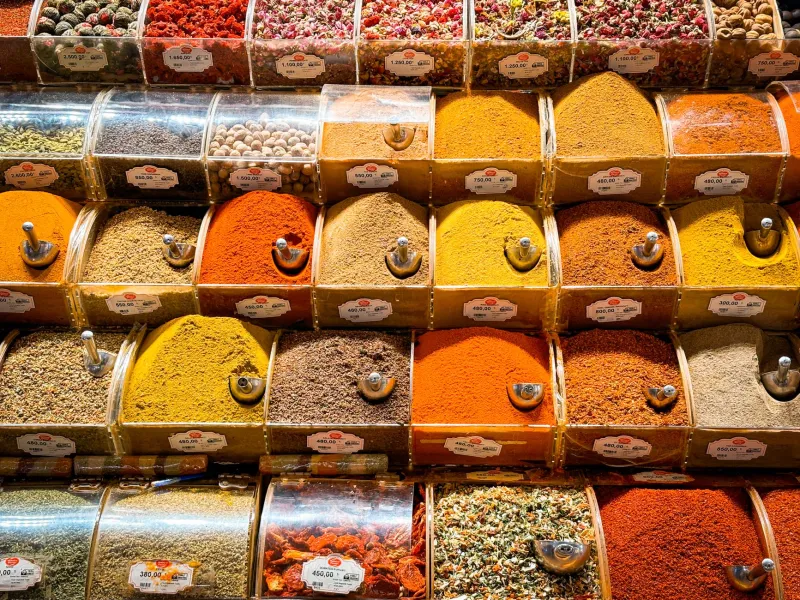
Cardamom is everywhere right now, and for good reason. It bridges sweet and savory effortlessly, plays beautifully with both chocolate and citrus, and carries enough aromatic complexity to make even simple sugar candies feel sophisticated.
Turmeric brings an earthy warmth that pairs surprisingly well with white chocolate and honey. Several artisan makers have leaned into its golden color as a visual hook, letting the flavor speak once consumers are already intrigued by the look.
Miso and umami-forward ingredients are having a genuine moment in chocolate. The savory depth cuts through sweetness in a way that makes you want another bite immediately. Brooklyn-based chocolatier Nate F. has been incorporating white miso into his dark chocolate bark for three years. "People are always skeptical until they try it," he says. "Then they buy four bags."
Wasabi remains the most polarizing entry on the list, but the makers doing it well — pairing it with milk chocolate or salted caramel to soften the heat into a warm tingle rather than a face-clearing blast — have built devoted followings.
Sichuan peppercorn is the wildcard that keeps showing up. Its numbing, citrusy buzz creates a textural experience that's unlike anything else in the candy world. Portland-based Tongue Tied Sweets built their entire brand around it.
The Taste-Testing Experience
We're not going to pretend every experiment lands. Part of covering this beat honestly means acknowledging that some bold flavor combinations are bold in the wrong direction.
A lavender-and-blue-cheese hard candy from a Brooklyn pop-up last spring was, by all accounts, a bridge too far. A matcha-and-anchovy chocolate bar that made the rounds on food Twitter in 2023 is best left in 2023.
But the misses are part of what makes the category exciting. Makers in this space are genuinely experimenting, and the ones who find the right balance between familiar and unexpected — between I recognize this and I've never had this — are building something real.
"The sweet spot is when someone takes a bite and their face does that thing," says Priya. "That little flicker where they're processing something new. That's what we're chasing."
Who's Actually Buying This?
The customer base for bold-flavor candy skews younger, but it's not exclusively Gen Z. Food-curious millennials who've spent years following the craft cocktail and artisan hot sauce movements are a natural audience. So are home cooks who already keep a well-stocked spice cabinet and see candy as just another flavor playground.
Gift-giving is also a major driver. A box of cardamom caramels or a wasabi chocolate bar reads as thoughtful and interesting — the kind of thing you bring to a dinner party when you want to be the person who brought the interesting thing.
Specialty retailers like Foxtrot (before its closure), Dean & DeLuca alumni ventures, and a growing number of boutique candy shops have been quick to stock these makers. Etsy and direct-to-consumer sites have given small producers national reach without requiring shelf space at a major retailer.
Where This Goes Next
The flavor innovation happening in American candy right now feels less like a trend and more like a permanent expansion of the category's vocabulary. The makers driving it aren't chasing novelty for its own sake — they're drawing on real culinary traditions, genuine ingredient knowledge, and a sincere belief that candy can be as complex and interesting as any other food.
For consumers willing to take a chance on something unfamiliar, the reward is a kind of candy experience that's genuinely new: still sweet, still fun, still deeply satisfying — just with a lot more going on.
Strawberry isn't going anywhere. But it might need to scoot over a little.