Why That Candy Bar Feels Like a Hug: The Deep Psychology of Sweet Comfort
You've had a terrible day. Maybe the meeting ran long, the traffic was brutal, or you just got news you weren't ready for. And without thinking — almost on autopilot — you find yourself standing in front of a vending machine, a gas station rack, or your own secret candy stash, reaching for that one thing. Not just any candy. That candy. The specific one.
It's not random. It never is.
The Brain's Sweet Shortcut
Neuroscientists have spent decades untangling the relationship between food and emotion, and candy turns out to be a particularly fascinating case study. Dr. Rachel Simms, a behavioral neuroscientist based in Chicago, explains it this way: "Sugar triggers the release of dopamine and serotonin — the brain's feel-good chemicals. But what's interesting is that the anticipation of eating a favorite candy activates reward pathways almost as powerfully as eating it. Your brain has basically bookmarked that treat as a reliable source of comfort."
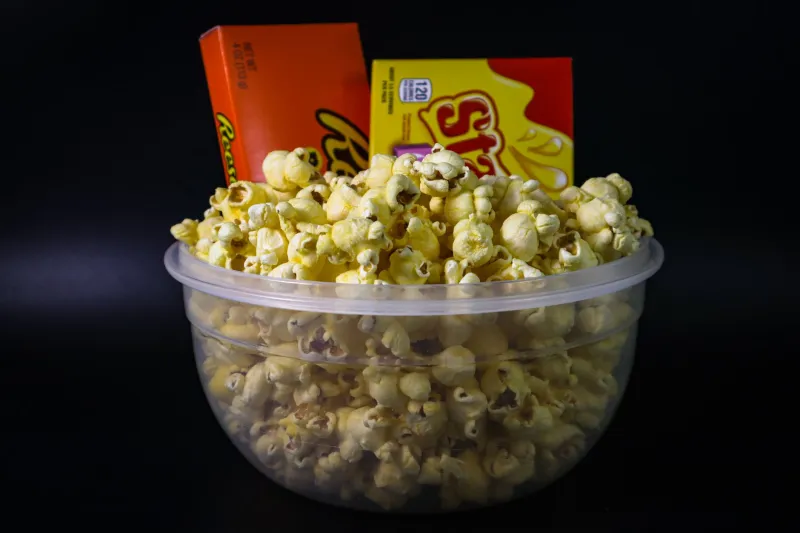
That bookmarking process starts early. Childhood is when most of us form our foundational candy attachments, and the associations we build during those years are sticky in the most literal sense. A bag of Skittles at a summer carnival. A Reese's Cup from your Halloween pillowcase. A roll of Smarties tucked into your lunchbox by someone who loved you. These aren't just memories — they're emotional anchors.
Nostalgia Is Doing the Heavy Lifting
Talk to almost any adult about their comfort candy and you'll notice something: the story almost always goes backwards. Priya Nair, a 34-year-old marketing manager in Atlanta, says her go-to stress candy is Nerds Rope. "It's embarrassing to admit, but when everything feels chaotic, I buy a Nerds Rope and I feel like I'm nine years old at a slumber party again," she laughs. "Everything was simpler then. That candy takes me there."
This is nostalgia doing what it does best — offering psychological refuge. Research published in the journal Appetite found that nostalgic food experiences specifically reduce feelings of loneliness and increase a sense of social connectedness, even when you're eating alone. The candy isn't just candy. It's a portal.
Licensed therapist and self-described "candy enthusiast" Marcus Webb, who practices in Portland, Oregon, says he's not surprised that so many of his clients reference specific sweets when talking about comfort and coping. "Food is one of our earliest forms of care," he says. "Before we had language, before we could articulate needs, someone fed us. That emotional wiring doesn't disappear. It just gets more specific over time."
Your Candy Preference Says Something About You
Here's where it gets really interesting. The type of candy you reach for in moments of stress might actually reflect your emotional processing style — at least according to some emerging thinking in food psychology.
People who gravitate toward chewy candies like gummy bears or caramels tend to describe the act of eating them as physically grounding. There's something about the sustained jaw movement and resistance of chewy textures that provides sensory regulation — not unlike the way some people fidget or pace when anxious. "It's tactile and rhythmic," says Dr. Simms. "For some people, that's genuinely calming."
Hard candy devotees — think Jolly Ranchers or butterscotch discs — often describe a meditative quality to the slow dissolve. You can't rush it. You have to wait. For high-anxiety personalities, that forced patience can be unexpectedly soothing.
Chocolate lovers, meanwhile, are working with an entirely different chemical cocktail. Dark chocolate in particular contains phenylethylamine, sometimes called the "love chemical," along with magnesium and a compound called anandamide that binds to the same brain receptors as THC. No wonder a good chocolate bar feels like a warm blanket.
The Identity Piece
Beyond comfort and chemistry, candy preferences are also surprisingly tied to personal identity. Think about how often people describe their candy choices with the kind of conviction usually reserved for sports teams or hometown pride. "I'm a Twizzlers person." "Our family is strictly Milk Duds at the movies." "I don't trust people who don't like Swedish Fish."
This tribal quality isn't accidental. Shared food preferences create social bonds, and our candy choices often signal something about who we are and where we come from. Regional candy loyalties run deep — anyone who grew up in New England with a box of NECCO Wafers or in the South with a peanut patty knows exactly what we mean.
For many people, comfort candy is also deeply tied to cultural identity. Family recipes, holiday traditions, and community celebrations all leave their mark on our sweet preferences in ways that feel almost sacred.
When Comfort Becomes Coping
Of course, it's worth acknowledging the flip side. Emotional eating — including emotional candy-eating — can tip into something less healthy when it becomes the primary tool for managing difficult feelings. Marcus Webb is careful to draw a distinction. "There's nothing wrong with enjoying a candy you love when you're having a hard day. That's human. The question is whether you're using it alongside other coping strategies or instead of them."
The good news, he says, is that most people who have a strong candy comfort association are actually pretty self-aware about it. They know what they're doing. They're not numbing — they're soothing. And there's a real difference.
Give Yourself the Treat
So the next time you find yourself hunting for that specific candy — the one that's been your ride-or-die since elementary school — maybe give yourself a little credit. You're not being weak or indulgent. You're tapping into something genuinely sophisticated: a layered system of memory, chemistry, identity, and care that your brain has spent years building.
Life is sweeter with every bite, and sometimes the sweetness we need most is the kind that takes us back to a simpler moment, even just for a minute.
Go ahead. Unwrap it. You've earned it.