Slow Down and Taste Something: How to Really Experience Artisan Candy
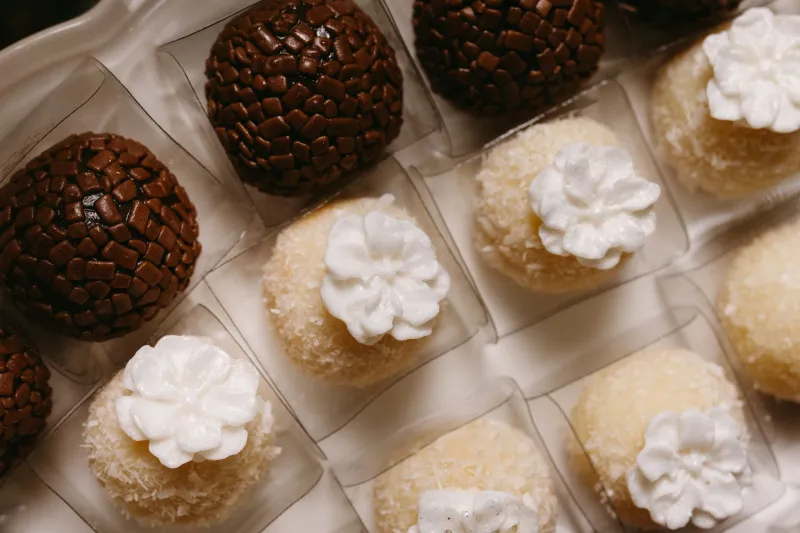
We've all been there. You unwrap a beautiful hand-painted bonbon from a local chocolatier, toss it in your mouth, chew twice, and think: yep, that was good. Then you reach for another one. And another. Before you know it, the whole box is gone and you couldn't describe a single flavor if someone asked.
There's nothing wrong with eating candy that way — honestly, sometimes the whole point is pure, uncomplicated joy. But artisan confections carry a lot more information than most of us ever stop to notice. The makers behind them are choosing specific single-origin chocolates, layering unusual flavor combinations, and obsessing over texture in ways that deserve at least a moment of genuine attention.
Think of it like the difference between sipping a great bourbon and chugging it. Both are technically the same drink. Only one actually lets you taste it.
What Professional Candy Tasters Actually Do
Chocolatiers and confectionery professionals approach tasting the way wine sommeliers or coffee curators do — with a structured framework that breaks the experience into distinct sensory layers. It sounds fancy, but the basic version is surprisingly easy to apply at home.
The process generally goes like this: look, smell, listen, taste, and feel. Each step tells you something different about what you're eating.
"Most people skip straight to taste," says one artisan chocolatier based in Portland, Oregon, who's been crafting single-origin bonbons for over a decade. "But aroma carries something like 80 percent of what we perceive as flavor. If you don't smell it first, you're missing most of the story."
Start With Your Eyes
Before anything touches your tongue, look at the candy. For chocolate, you're checking for a glossy, even surface — a sign that the chocolate was properly tempered. Dull or streaky chocolate (a condition called bloom) usually means the cocoa butter separated during cooling, which can affect texture even if the flavor is fine.
For hard candies and caramels, color is a clue to flavor intensity. A deep amber caramel will taste more complex and slightly bitter than a pale gold one. Brightly colored hard candies often signal fruit flavors, but in artisan versions, those colors sometimes come from natural sources like hibiscus, turmeric, or butterfly pea flower — worth noting before you taste.
Smell It Like You Mean It
Hold the candy close and take a slow breath. With chocolate, you might catch fruit notes, earthiness, floral hints, or a roasted quality depending on the origin of the cacao. A well-made caramel might smell buttery and nutty with a faint edge of bitterness. A lavender hard candy should smell like an actual field, not a cleaning product.
If the aroma is sharp, synthetic, or one-dimensional, that's information too. Artisan sweets made with real ingredients tend to have layered, evolving aromas rather than a single flat note.
The Moment of Truth: How to Actually Taste
Place the candy on your tongue and resist the urge to chew immediately. Let it sit for a few seconds. Pay attention to what hits you first — that's the top note, usually the brightest and most volatile flavor. Then notice what develops as the candy warms up and begins to melt or dissolve. That's the mid-palate. Finally, after you swallow, what lingers? That's the finish, and in a great confection, it can last for thirty seconds or more.
For a filled chocolate bonbon, bite it cleanly in half rather than crunching through it. You want to experience the shell and the ganache or filling separately before they combine. Notice the snap of the chocolate, the way the filling releases, the temperature contrast if there's a liquid center.
"Texture is flavor," explains a confectionery educator who runs tasting workshops in Chicago. "A truffle that melts instantly tells you something about the fat content and temperature of the ganache. A chewy caramel that sticks just slightly tells you about the sugar concentration. You're reading the candy with your whole mouth, not just your taste buds."
Pairing Candy Like a Pro
Once you start tasting with more intention, pairing becomes a natural next step — and it's genuinely one of the most fun parts of the artisan candy world.
A few principles that work surprisingly well:
Dark chocolate and coffee: The bitterness in both amplifies each other's roasted, complex notes. Try a 70% single-origin bar alongside a natural-process Ethiopian coffee and prepare to be amazed.
Salted caramel and bourbon: The fat and sweetness of caramel soften bourbon's heat while the salt highlights the whiskey's caramel and vanilla notes. It's almost unfairly good.
Fruity hard candies and sparkling water: The carbonation cleanses your palate between pieces and lets you reset, so you can actually taste the second candy as clearly as the first.
Milk chocolate and aged cheddar: This one surprises people, but the sharpness of good aged cheese cuts through the sweetness of milk chocolate in a way that makes both taste more interesting.
Floral confections and light herbal tea: A chamomile or hibiscus tea alongside a violet or rose candy creates a layered floral experience that's genuinely transportive.
The underlying rule is contrast and complement — you're either looking for flavors that echo each other or flavors that push against each other in interesting ways.
Building Your Own Tasting Flight
One of the best ways to develop your palate is to do a structured tasting at home. Pick four to six artisan candies — ideally from the same category, like all caramels or all dark chocolate bonbons — and taste them side by side. Note what's different: texture, sweetness level, complexity of flavor, length of finish.
You don't need a formal scoring system. A simple notebook works perfectly. Jot down what you noticed, what you liked, what surprised you. Over time, you'll start building a real vocabulary for sweetness — and you'll find yourself tasting things you never noticed before.
Artisan candy makers put an enormous amount of thought into what ends up in your hands. Slowing down, even just for a minute, is the best way to honor that work — and honestly, the best way to get more out of every single bite.