Sugar, Heat, and a Little Bit of Wonder: The Real Science Behind Homemade Candy
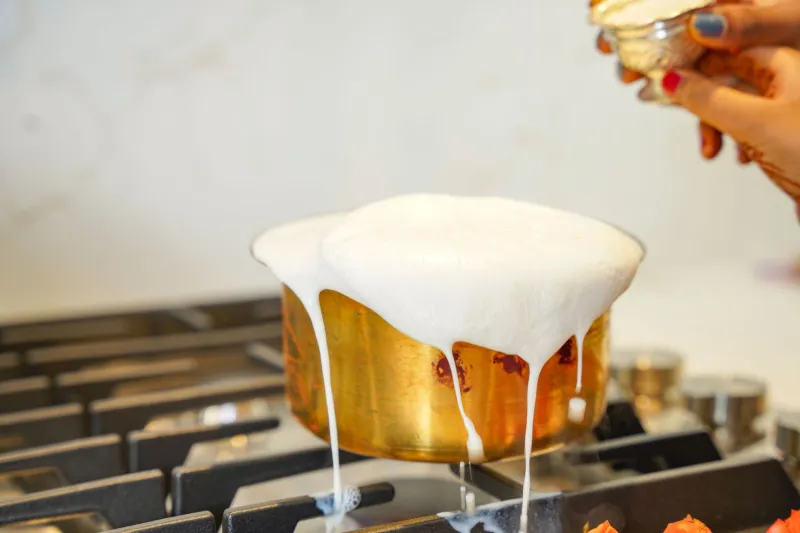
There's a moment every home candy maker knows well. You're standing over the stove, watching a pot of sugar slowly transform from gritty white crystals into a glossy, bubbling liquid, and something inside you just gets it — this is basically magic. Except it isn't magic at all. It's chemistry. And the beautiful thing is, once you understand what's actually going on inside that pot, you stop guessing and start creating with real confidence.
Candy making is one of the most science-forward things you can do in a home kitchen. Temperature, humidity, stirring technique, the order you add ingredients — every single choice has a chemical consequence. Let's dig in.
Why Temperature Is Everything (And We Mean Everything)
If you've ever followed a candy recipe, you've probably noticed that the instructions get weirdly specific about temperature. 235°F for soft caramel. 300°F for hard candy. 320°F for a light caramel color. These aren't arbitrary numbers — they correspond to distinct physical and chemical states of sugar dissolved in water.
As you heat a sugar-water mixture, the water gradually evaporates and the concentration of sugar increases. Each temperature range produces a different texture when the candy cools:
- Thread stage (230–235°F): Thin, syrupy threads. Think simple syrup for cocktails.
- Soft ball (235–240°F): Pliable, squishable — perfect for fudge and fondant.
- Firm ball (245–250°F): Holds its shape but still chewy. Hello, caramel.
- Hard ball (250–265°F): Dense and chewy. Nougat territory.
- Soft crack (270–290°F): Pliable but snappy. Classic taffy.
- Hard crack (300–310°F): Brittle and glassy. Lollipops, hard candies, toffee.
A reliable candy thermometer is basically your best friend here. Even a five-degree difference can mean the gap between a perfectly chewy toffee and something that shatters like glass.
Crystallization: The Force You're Either Fighting or Inviting
Crystallization is the single most important concept in candy making — and it cuts both ways. Sometimes you want crystals (fudge, fondant, rock candy). Sometimes you desperately don't (caramel, toffee, hard candy). Understanding the difference is a genuine game-changer.
When sugar molecules cool and organize themselves into a rigid lattice structure, you get crystals. In fudge, you actually want that to happen — but you want the crystals to be tiny and uniform, which is why you beat fudge vigorously as it cools. Bigger crystals mean grainier texture, which is why you beat fudge only after it's cooled to around 110°F. Beat it while it's too hot, and you get large, coarse crystals that feel sandy in your mouth.
For smooth candies like caramel or lollipops, crystallization is the enemy. One stray sugar crystal touching your syrup can trigger a chain reaction that turns your whole batch grainy — a phenomenon candy makers call "seeding." That's why recipes tell you to brush down the sides of the pot with a wet pastry brush (to dissolve any stray crystals clinging to the sides) and why you should never stir once the sugar is boiling.
Adding an "interfering agent" — like corn syrup, cream of tartar, or honey — disrupts the ability of sucrose molecules to line up and form crystals. That's the secret behind silky smooth caramel sauce and crystal-clear hard candy.
What's Actually Happening When Sugar Caramelizes
Caramelization is one of the most complex chemical reactions in your kitchen. When sucrose is heated past about 320°F, the molecules begin to break down and recombine into hundreds of new compounds — some bitter, some nutty, some deeply fruity. The color shifts from pale gold to amber to deep mahogany, and the flavor builds in layers of complexity that plain sugar simply doesn't have.
It's worth noting that caramelization is different from the Maillard reaction, which is the browning that happens when proteins and sugars interact (think toasted marshmallows or the crust on a crème brûlée). Both produce incredible flavor, but caramelization is pure sugar transformation.
The key to great caramel is patience and attention. Pull it too early and it tastes flat and overly sweet. Push it too far and you'll hit bitterness fast. The sweet spot — pun absolutely intended — is a deep amber that smells almost nutty, right around 350°F.
Emulsification: The Secret to Creamy, Dreamy Texture
Ever wonder why adding butter to caramel makes it so unbelievably smooth? That's emulsification at work. Butter contains water, fat, and milk proteins — the proteins act as emulsifiers, helping fat and water molecules that would normally separate stay happily blended together.
In chocolate making, lecithin (often sourced from soy or sunflower) plays the same role, binding cocoa butter and water-based ingredients into that glossy, snappy bar you know and love. At home, adding butter to your caramel, cream to your ganache, or egg yolks to your nougat isn't just about flavor — it's about building a stable, unified texture.
If your caramel ever "breaks" into a greasy, separated mess, you've lost your emulsion. The fix? Add a small splash of warm cream and stir gently over low heat to bring it back together.
Humidity Is Quietly Ruining Your Candy (And Here's What to Do)
Ask any experienced candy maker what their least favorite weather is, and they'll say: humid. Sugar is hygroscopic, meaning it actively pulls moisture from the surrounding air. On a humid summer day in, say, Houston or Miami, your hard candy will start to get sticky almost before it's fully cooled. Your pulled taffy will weep. Your fudge might refuse to set properly.
The simple fix? Save your serious candy projects for dry, cool days when you can. If you live somewhere consistently humid, run the air conditioning or a dehumidifier in your kitchen while you work. Store finished candy in airtight containers with a small food-safe desiccant packet to keep moisture at bay.
Put It All Together
Candy making rewards curiosity. Every batch teaches you something — about your stove's hot spots, your local humidity, the way your particular sugar behaves. Once you understand the chemistry underneath the recipe, you're not just following instructions anymore. You're having a real conversation with your ingredients.
So next time you're watching that pot of sugar climb toward the hard crack stage, take a second to appreciate what's happening. Molecules are rearranging. Water is escaping. New flavor compounds are being born. You're not just making candy — you're doing science. Delicious, completely irresistible science.