Make It Yourself: Inside the At-Home Candy Kit Craze Taking Over American Kitchens
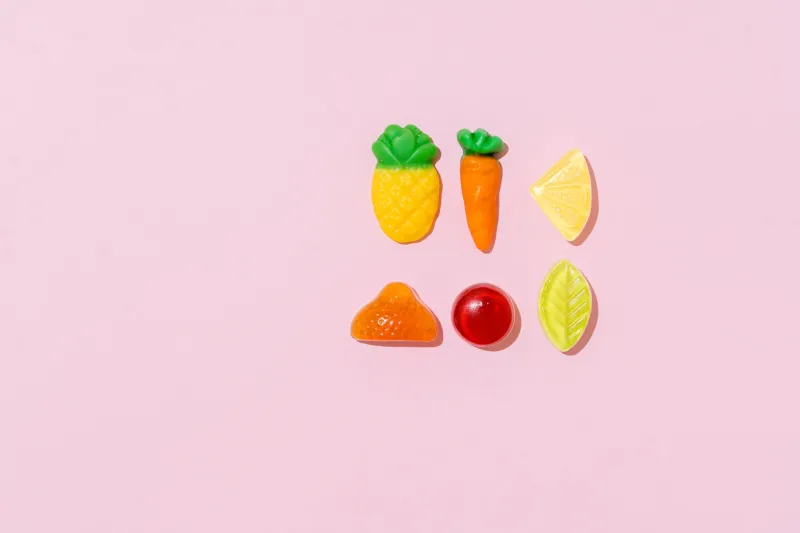
Somewhere between sourdough starters and backyard cocktail kits, Americans discovered something new to obsess over: making their own candy. Not baking cookies — candy. The kind that involves thermometers, sugar syrups, and the very real possibility of burning yourself if you're not paying attention. And people are absolutely hooked.
The at-home candy kit market has exploded over the past few years, driven by a mix of pandemic-era DIY energy, the maker movement, and a generation of consumers who want to understand exactly where their food comes from — right down to the sugar crystals. Walk into any specialty kitchen store or scroll through Etsy for five minutes and you'll find kits for everything from classic gummy bears to hand-pulled taffy to artisan chocolate bonbons.
From Niche to Mainstream
A few years ago, candy-making at home was mostly the domain of serious hobbyists and professional pastry school graduates. Today, it's a legitimate consumer category with real commercial momentum.
Jessica Tran launched her company, Sweet Workshop Co., out of her apartment in Austin, Texas, in 2022 with a single gummy candy kit and a modest Instagram following. Within eighteen months, she was shipping to all fifty states. "I genuinely didn't expect it to blow up the way it did," she says. "I thought I was making something for people who were already into candy-making. But most of my customers had never made candy before in their lives. They just wanted to try something creative."
Tran's kits include pre-measured ingredients, clear step-by-step instructions, and QR codes linking to video tutorials. She says the video component was the game-changer. "People are used to learning by watching. Once we added the videos, the number of people who actually completed the kit — and came back for more — jumped significantly."
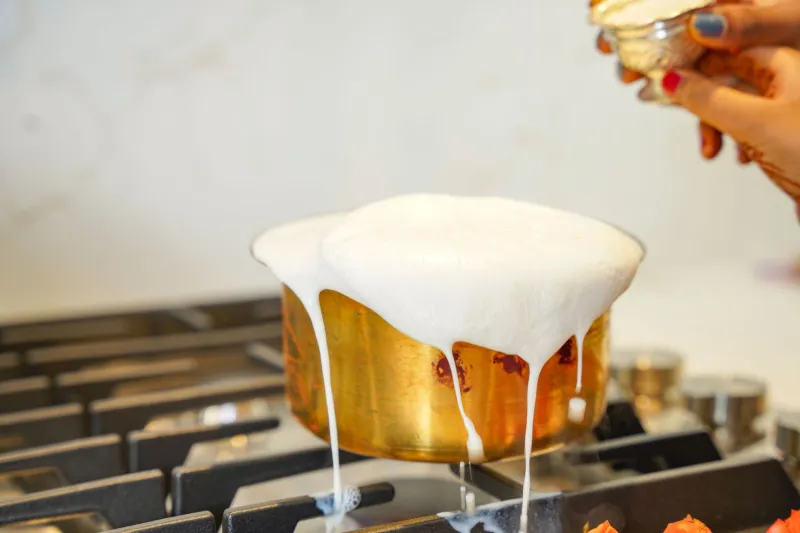
Across the country in Brooklyn, Marcus Delgado runs Copper Kettle Kits, which focuses on old-school hard candy and lollipop-making. His customers skew slightly older and tend to have some baking background, but he says the appeal is universal. "There's something about working with hot sugar that feels almost alchemical," he says. "It's not like baking a cake. The transformation is dramatic and fast and kind of thrilling. People get genuinely excited."
What's Actually in the Box
Not all candy kits are created equal, and experienced makers are quick to point that out. The best kits, according to both entrepreneurs and home candy enthusiasts, share a few key qualities: quality ingredients, precise instructions, and enough room for personal creativity.
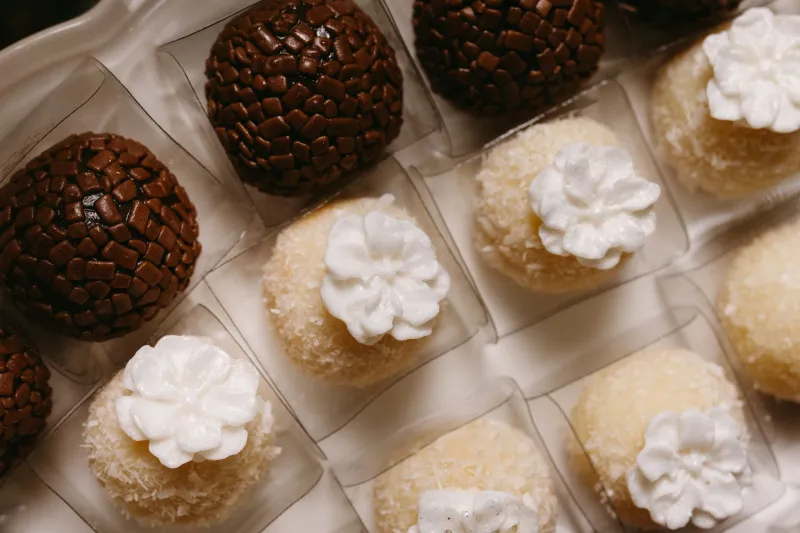
Gummy kits typically include gelatin or pectin, flavoring concentrates, citric acid for tartness, and molds. Chocolate kits often come with couverture chocolate, transfer sheets, and basic tempering guides. Caramel kits usually feature a thermometer — the one tool that separates a successful caramel from a sticky disaster.
Sarah Okonkwo, a nurse and home candy maker in Columbus, Ohio, has worked through more than a dozen different kits over the past two years. Her verdict? "The ones that give you real ingredients — not just flavored sugar packets — are the ones that teach you something. I've learned more about food science from candy kits than from any cooking show."
She's not alone in that observation. Many home makers describe their kit experiences in almost educational terms, talking about learning what an emulsifier does, why tempering chocolate matters, or how humidity affects hard candy. It's chemistry class, but with a much better final exam.
The Creativity Factor
Here's what's genuinely surprising about the candy kit boom: most people don't stop at the instructions. They riff. They substitute flavors, experiment with colors, combine techniques from different kits, and share their results online with an enthusiasm that rivals any other food community.
A quick search on TikTok or Instagram surfaces thousands of videos tagged with #candymaking, featuring home cooks showing off everything from galaxy-swirl lollipops to layered gummy bears with unexpected flavor combinations like mango-habanero or lavender-lemon. The creativity is real and it's relentless.
Jessica Tran says this was something she hoped for but didn't fully anticipate. "I designed the kits to be a starting point, not a finish line. And that's exactly how people are treating them. They use the base kit and then go completely their own direction. It's wonderful to watch."
This creative energy connects to something bigger happening in American food culture — a genuine hunger (pun intended) for hands-on making in a world that delivers almost everything pre-made and packaged. Candy-making, with its sensory drama and forgiving learning curve, hits a sweet spot between accessible and genuinely skilled.
Tips for First-Timers
Thinking about diving in? A few words of wisdom from people who've been there:
Start with gummies. They're forgiving, don't require high heat, and the results are almost always satisfying. Plus, you can eat your mistakes without regret.
Buy a candy thermometer before anything else. Seriously. So many kit failures come down to temperature guesswork. A good digital thermometer costs less than fifteen dollars and will save you endless frustration.
Read the whole instruction sheet before you start. Candy-making moves fast once you get going. Knowing what's coming next helps you stay ahead of the process.
Don't skip the mise en place. Have everything measured and ready before you turn on the heat. Scrambling for ingredients mid-process is how things go wrong.
Embrace the imperfect batch. Your first lollipops might be lumpy. Your first caramels might be too soft. That's the whole point. You're learning something real.
The Bigger Picture
The candy kit phenomenon is about more than a hobby trend. It's a reflection of something Americans are craving right now: tangible creativity, process-driven satisfaction, and the particular joy of making something with your own hands that you can then eat — or gift, or show off, or share with people you love.
There's also something quietly radical about it. In a food landscape dominated by mass production and algorithmic snacking, making your own candy is an act of joyful defiance. You know exactly what went into it. You made every decision. And when it comes out right, the pride is almost as sweet as the candy itself.
Almost.